 Pin It
 One Saturday morning, I was standing in my kitchen watching my roommate demolish a store-bought bagel, and I thought, why are these so good but also so... deflating by noon? That's when I decided to crack the protein powder code and make bagels that actually stuck with you, literally and figuratively. The smell of cinnamon swirls toasting in the oven that first time had me hooked, and I never went back to the regular kind.
I made these for my book club one morning, and someone asked if I'd bought them from that fancy bagel place downtown. When I said I'd made them at home the night before, the table went quiet for a second, then everyone started asking for the recipe. That's when I knew I'd stumbled onto something real.
Ingredients
- Bread flour: This gives your bagels that chewy, substantial texture that protein powder alone can't deliver; don't skip it for all-purpose flour or they'll taste more like dense muffins.
- Vanilla protein powder: Pick one you actually like the taste of since it's the star here, and whey or plant-based both work beautifully.
- Active dry yeast: Make sure it's fresh or your dough will just sit there looking sad instead of rising.
- Warm water: Too hot kills the yeast, too cold and nothing happens, so use a thermometer if you have one or test it on your wrist like you would bathwater.
- Brown sugar and cinnamon swirl: This is where the bagels stop being healthy and start being irresistible, so don't be shy with the cinnamon.
- Greek yogurt glaze: The tanginess cuts through the sweetness and adds protein again, making this glaze work twice as hard as it looks.
Tired of Takeout? 🥡
Get 10 meals you can make faster than delivery arrives. Seriously.
One email. No spam. Unsubscribe anytime.
Instructions
- Mix your base:
- Combine your dry ingredients in a big bowl, breaking up any protein powder clumps with the back of your spoon because they'll ruin the dough texture if you don't. This takes about a minute and saves you headaches later.
- Wake up the yeast:
- Dissolve yeast in that warm water and let it sit until it's foamy on top, which tells you the yeast is alive and ready to party. If nothing happens after 5 minutes, your yeast is dead and you need to start over.
- Bring it together:
- Pour the yeast mixture into your dry ingredients along with the melted butter, then mix until you have a shaggy, slightly sticky dough. Don't worry if it looks rough right now; it's supposed to.
- Knead until smooth:
- Flour your counter and knead for 6 to 8 minutes, which is longer than you think but shorter than you'd expect. You'll feel it transform under your hands from rough to silky, and that's when you know you're done.
- Let it rise:
- Pop it in an oiled bowl, cover with a damp towel, and stick it somewhere warm like on top of your fridge or near a sunny window. Thirty to forty minutes and it'll double, which looks like magic the first time you see it.
- Build your swirl:
- Mix softened butter, brown sugar, and cinnamon into a paste that smells like every cozy moment you've ever had. Spread this over your rolled-out dough like you're frosting a cake.
- Roll and shape:
- Roll the dough up tightly from the long side, which is harder than it sounds but becomes natural after your first try. Cut into 8 pieces and shape each one by poking a hole in the center and stretching it gently into a bagel ring.
- Boil them briefly:
- This is the secret step that makes bagels actually bagels instead of bread rolls. Boil each side for just 30 seconds in water sweetened with honey, and watch them puff up and get that slight shine.
- Bake until golden:
- Bake for 18 to 20 minutes until they're golden brown and the kitchen smells like cinnamon took over the world. Let them cool on a rack so the bottom doesn't get soggy from trapped steam.
- Glaze with grace:
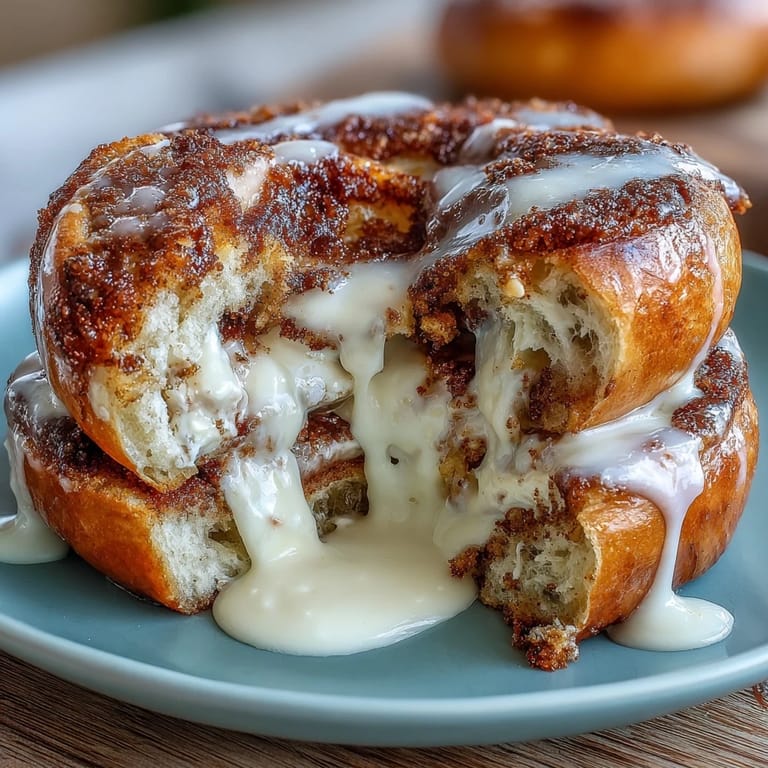
- Whisk together yogurt, powdered sugar, vanilla, and milk until it's drizzly, then either brush it on or let people drizzle their own. Some people like it thick, some like it thin, so keep extra milk nearby.
 Pin It
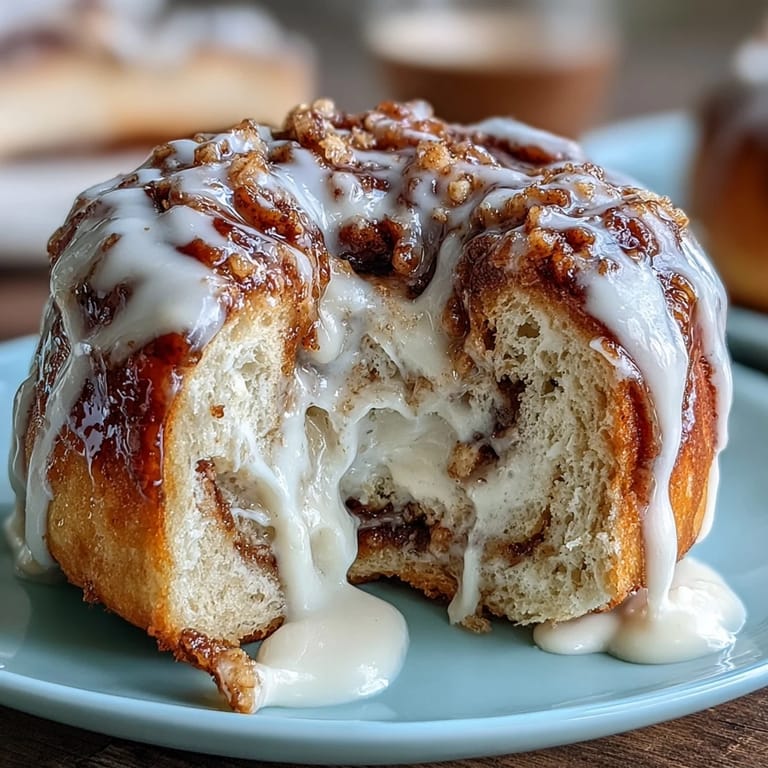
 My eight-year-old neighbor came over one afternoon and bit into one of these still-warm from cooling, and the way her eyes widened made me realize this wasn't just about nutrition anymore. It was about making something people wanted to eat, not something they felt obligated to.
Flavor Variations That Actually Work
Vanilla is the base, but I've played around with chocolate protein powder for a mocha situation with the cinnamon, and almond butter protein for something nuttier and deeper. You can also swap the brown sugar in the swirl for maple sugar if you want a less intense sweetness, and honestly it's more sophisticated that way.
Storing Them Without Losing Your Mind
These bagels actually last a few days in an airtight container at room temperature, which is wild for homemade bread, and they freeze beautifully for up to three weeks if you wrap them individually. The glaze is best added after they've cooled back to room temperature after thawing, so your bagels stay glossy instead of sweating off the glaze.
Making Them Ahead for Rushed Mornings
I shape mine the night before, refrigerate them overnight, and boil them straight from the fridge in the morning while my coffee brews. The cold rise actually deepens the flavor and makes them chewier, which feels like a bonus even though it was supposed to be about convenience.
- Prepare dough the night before and shape bagels before bed so they're ready to boil first thing.
- Glaze them while still slightly warm so it sets into a subtle shine that lasts all morning.
- Wrap extras individually in parchment paper before freezing so you can grab one bagel at a time.
 Pin It
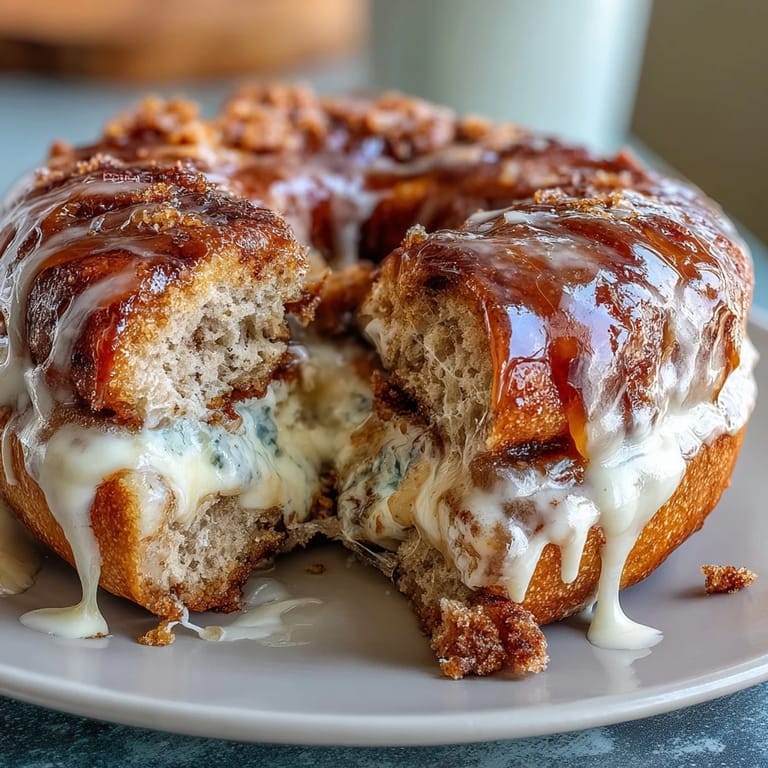
 These bagels have become my answer to people who say they don't have time for breakfast, because suddenly they do when it tastes this good and keeps them full. It's the kind of recipe that sneaks nutrition into joy, which is really what cooking is all about.
Recipe FAQs
- → How do I achieve the perfect chewy texture?
Knead the dough thoroughly until smooth and elastic, and allow it to rise adequately. Boiling the shaped pieces briefly before baking helps develop the chewy crust.
- → Can I substitute the vanilla protein powder?
Yes, use any preferred protein powder, whether whey or plant-based, to suit dietary needs and flavor preferences.
- → What is the purpose of boiling the bagels before baking?
Boiling sets the crust, creates the chewy texture, and helps achieve the characteristic shiny surface on the bagels.
- → How is the cinnamon swirl incorporated?
The cinnamon, butter, and brown sugar mixture is spread evenly over the rolled-out dough before rolling it up and slicing.
- → How should the glaze be applied?
Drizzle the vanilla Greek yogurt glaze over the cooled bagels to add a creamy, flavorful finish without melting off.
- → Can these bagels be frozen?
Yes, freeze the bagels after baking and thaw before serving. Apply the glaze fresh after thawing for best texture and flavor.