 Pin It
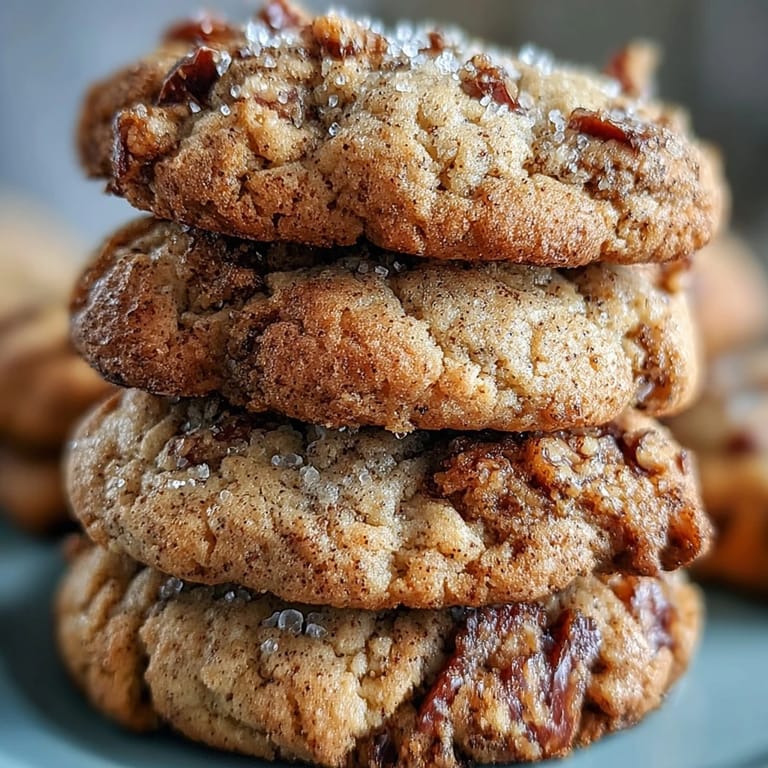
 I discovered hojicha cookies by accident when my neighbor handed me a tin from a Japanese tea shop, and I spent an embarrassing amount of time trying to figure out what made them taste like toasted autumn leaves mixed with butter. Months later, standing in front of my pantry with a half-empty jar of hojicha powder, I realized I could recreate that magic myself. These cookies are delicate enough to crumble in your fingers but sturdy enough to dunk in afternoon tea, and they've become my go-to gift when I want people to ask for the recipe.
I made these for a book club once, nervous about the hojicha because it's not exactly mainstream, and three people asked if I'd made a special trip to some fancy bakery. That moment when someone takes a bite and their whole face changes—that's what keeps me returning to this recipe. Since then, I've learned they're equally good at 3 a.m. when you can't sleep as they are at a dinner party.
Ingredients
- All-purpose flour: Use fresh flour if you can—old flour sometimes acts stubborn during mixing, and hojicha cookies are sensitive enough to need reliable ingredients.
- Hojicha powder: This is the star, so source the good stuff from a tea supplier or Japanese market rather than settling for grocery store versions that taste like burnt paper.
- Baking soda: Just a pinch keeps the cookies tender without making them cake-like, which is the whole point of getting them right.
- Fine sea salt: Don't skip this—it wakes up the hojicha flavor and reminds your mouth that butter is involved.
- Unsalted butter, softened: Room temperature is non-negotiable here; cold butter won't cream properly and you'll end up with dense little hockey pucks.
- Granulated sugar: This dissolves into the butter, creating that light, airy crumb that makes hojicha cookies so craveable.
- Egg: One large egg binds everything and adds richness without heaviness.
- Vanilla extract: A teaspoon adds warmth that complements hojicha's earthiness.
Tired of Takeout? 🥡
Get 10 meals you can make faster than delivery arrives. Seriously.
One email. No spam. Unsubscribe anytime.
Instructions
- Get everything ready:
- Preheat your oven to 350°F and line a baking sheet with parchment paper—this is when you'll feel like you're really cooking something, not just baking cookies.
- Mix the dry team:
- Whisk flour, hojicha powder, baking soda, and salt together in a medium bowl until they're evenly combined and smell like a peaceful tea house. This step matters more than it sounds because hojicha powder can clump.
- Cream the butter and sugar:
- In a large bowl, beat softened butter and sugar for 2 to 3 minutes until the mixture turns pale and fluffy—you'll notice the color change, and that's how you know it's ready. This is where air gets trapped in the dough, making cookies tender instead of tough.
- Add egg and vanilla:
- Beat in the egg and vanilla until they're fully combined, scraping down the sides of the bowl so nothing gets forgotten. The mixture should look smooth and slightly glossy.
- Bring it together gently:
- Add the dry ingredients to the wet mixture and stir just until everything disappears into the dough—overmixing develops gluten and makes cookies dense, which defeats the purpose of this whole endeavor. Stop as soon as you see no more flour streaks.
- Portion and bake:
- Scoop tablespoon-sized portions onto your prepared sheet, leaving about 2 inches between each cookie so they can spread without touching. Bake for 10 to 12 minutes, watching until the edges turn lightly golden while the centers stay pale.
- Cool with patience:
- Let cookies sit on the baking sheet for 5 minutes—they continue cooking slightly and firm up enough to move without falling apart. Then transfer to a wire rack and let them cool completely, which gives you time to make tea or just stand there admiring what you made.
 Pin It
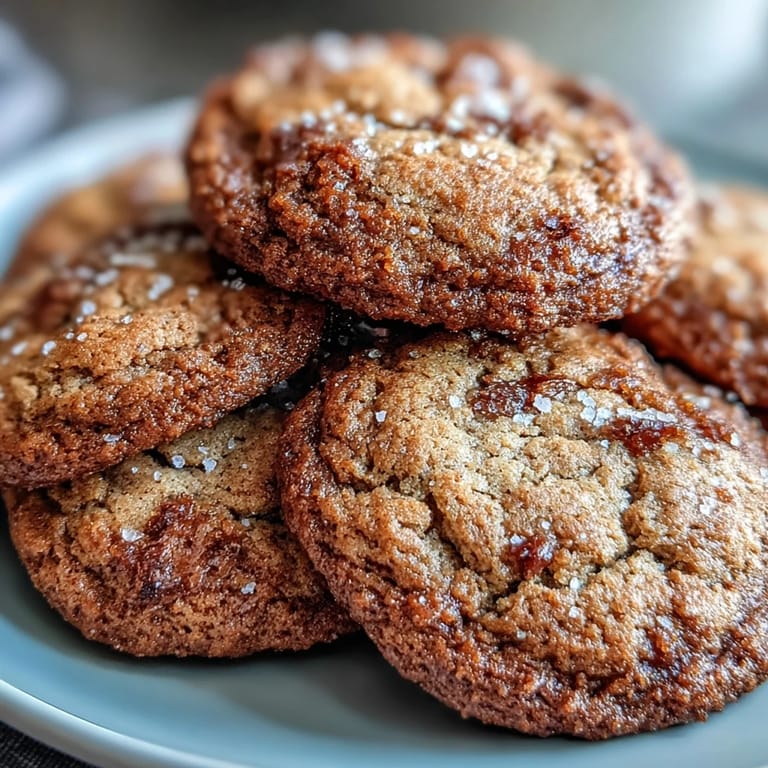
 There's something almost meditative about hojicha cookies—the smell that fills your kitchen is warm and grounding, nothing like the aggressive sweetness of chocolate chip baking. My sister once said they reminded her of holding a cup of tea in autumn, and that's stuck with me ever since.
The Hojicha Difference
Hojicha isn't like regular green tea—it's green tea that's been roasted at high temperatures until it turns brown and loses its grassiness. This roasting process creates flavors that lean toward caramel, hazelnut, and toasted grains, which is why these cookies taste nothing like the matcha desserts you might have tried before. The powder dissolves into the dough and creates a subtle depth that keeps people reaching for another cookie while they try to figure out what they're tasting.
Storage and Keeping
These cookies stay fresh in an airtight container at room temperature for about four days, though they rarely last that long in my house. If you're making them ahead for an event, you can prepare the dough the night before, refrigerate it, and bake fresh the day you need them—this actually improves the flavor because it gives the hojicha time to distribute evenly.
Ways to Make It Your Own
Once you've made these basic version, you'll start thinking about variations, and that's where it gets fun. Some of my favorite discoveries came from small experiments in a quiet kitchen when I had time to think. Here are the tweaks that actually made a difference:
- Double the hojicha powder to 3 or 4 tablespoons if you want a tea-forward cookie that announces itself loudly.
- Fold in white chocolate chips or chopped macadamia nuts for texture and a contrast to the earthy hojicha flavor.
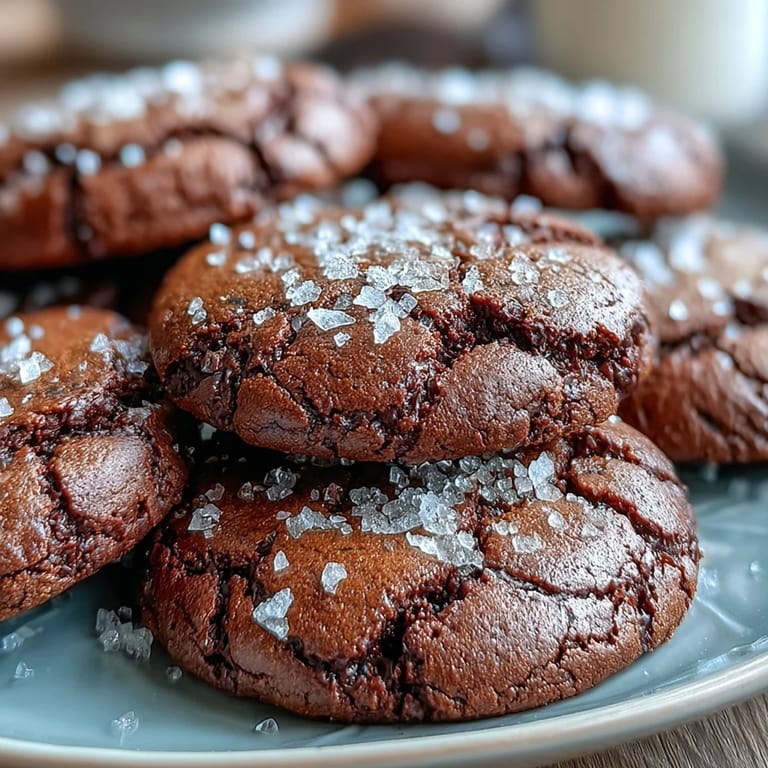
- Sprinkle fleur de sel on top of each cookie before baking for a sweet-salty moment that changes everything.
 Pin It
 These cookies remind me that the best recipes are the ones that make people pause mid-bite and ask what they're eating. Once you master this one, you'll have a dessert that feels both comforting and unexpectedly sophisticated.
Recipe FAQs
- → What does hojicha taste like in cookies?
Hojicha adds nutty, smoky, and earthy notes to the sweet buttery base. Unlike matcha's grassy bitterness, roasted hojicha has a milder, more caramel-like flavor that pairs beautifully with vanilla and sugar.
- → Can I use matcha powder instead of hojicha?
Yes, but the flavor profile will change significantly. Matcha is more grassy, vegetal, and vibrant, while hojicha offers a deeper, toasted character. Adjust the quantity as matcha can be more intense.
- → How do I know when these are done baking?
Look for lightly golden edges while the centers may still appear slightly soft. They'll firm up as they cool on the baking sheet. Overbaking can make them dry, so stick to the 10-12 minute range.
- → Why did my dough turn out crumbly?
This usually means the butter was too cold or not creamed enough with the sugar. Ensure your butter is softened to room temperature before beating, and mix just until ingredients are incorporated to avoid tough results.
- → Can I freeze the dough for later?
Absolutely. Scoop the dough onto a parchment-lined baking sheet, freeze until solid, then transfer to a sealed bag. Bake straight from frozen, adding 1-2 extra minutes to the baking time.