 Pin It
 There's something about the texture of chia pudding that transported me back to a humid afternoon in my friend's kitchen, where she introduced me to this tropical combination. She'd just returned from a trip to Southeast Asia with a jar of coconut milk and a craving that wouldn't quit, so we improvised with what we had: mango from the farmers market, chia seeds from her pantry, and pure determination. The pudding came together so easily that I couldn't believe I'd been buying overpriced breakfast bowls at cafes for years. Now it's become my go-to when I want something that feels indulgent but actually nourishes me.
I made this for a dinner party once, layering it in tall glasses as a make-ahead dessert, and my usually skeptical brother went back for seconds without realizing it was vegan. Watching him discover that coconut milk could taste this creamy and luxurious without any dairy was a quiet victory in my kitchen. That moment shifted something about how I think about cooking: the best food surprises people not because it's complicated, but because it's genuinely delicious.
Ingredients
- Coconut milk (400 ml): Full-fat is richer and more indulgent, but light works too if you prefer something less heavy; shake or stir the can well before opening since the cream separates.
- Chia seeds (6 tbsp): These tiny powerhouses absorb liquid and create that pudding texture; they're worth buying from somewhere with good turnover so you get the freshest batch.
- Maple syrup or honey: Start with 3 tablespoons and taste before chilling since mangoes vary wildly in sweetness depending on the season.
- Vanilla extract (1 tsp): Optional but it rounds out the flavor in a way that makes people wonder what your secret is.
- Ripe mangoes (2 large): The fruit should yield slightly to gentle pressure and smell fragrant; hard or mealy mangoes will disappoint you.
- Lime juice (1 tbsp): Brightens the mango and prevents that cloying sweetness that happens without it.
- Toasted coconut flakes: Buy them already toasted if you can, or toast raw ones yourself in a dry pan for a minute to bring out their flavor.
- Nuts and fresh toppings: These are your chance to add texture and personality; don't skip them even if they seem optional.
Tired of Takeout? 🥡
Get 10 meals you can make faster than delivery arrives. Seriously.
One email. No spam. Unsubscribe anytime.
Instructions
- Start with the creamy base:
- Pour your coconut milk into a bowl and whisk it together with maple syrup and vanilla until everything's smooth and well combined. You want the sweetness distributed evenly so you don't get unpleasant surprises.
- Wake up the chia seeds:
- Stir them into the coconut mixture really thoroughly, making sure no seeds are hiding at the bottom of the bowl where they'll clump. This takes about a minute of actual attention.
- Let time do the work:
- Cover your bowl and set it in the fridge for at least two hours, though overnight is even better. Stir it once after about 30 minutes to break up any seed clumps that are forming.
- Meanwhile, make mango magic:
- Blend your fresh mango with a splash of lime juice until it's completely smooth and beautiful; if you want it sweeter, add a touch of maple syrup and blend again. Taste it right there at the blender and adjust until it makes you happy.
- Assemble with intention:
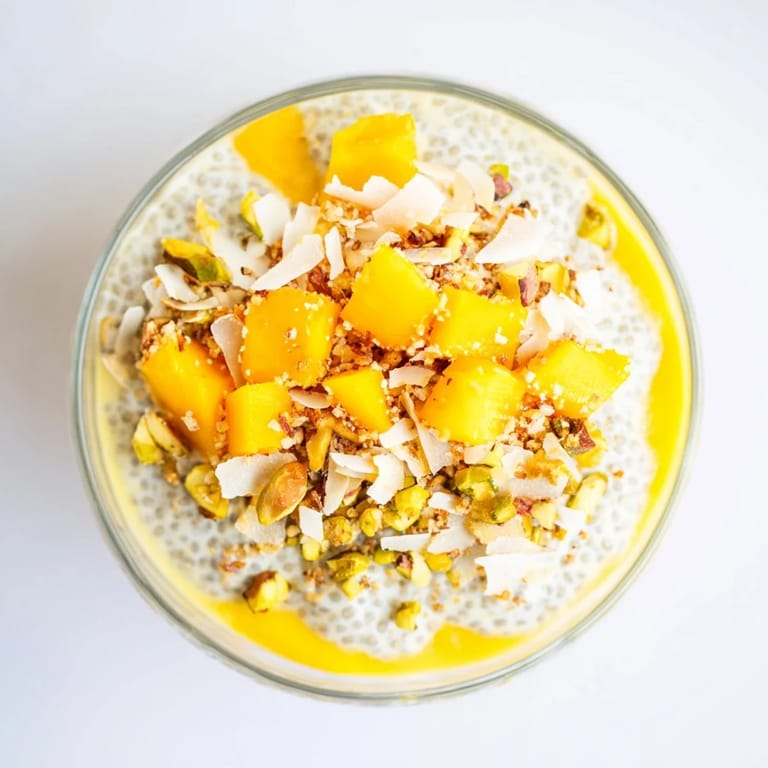
- Spoon the thickened chia pudding into glasses or bowls, filling each about halfway, then add a generous layer of mango puree on top. If you're feeling fancy, layer them: pudding, mango, pudding, mango.
- Crown it:
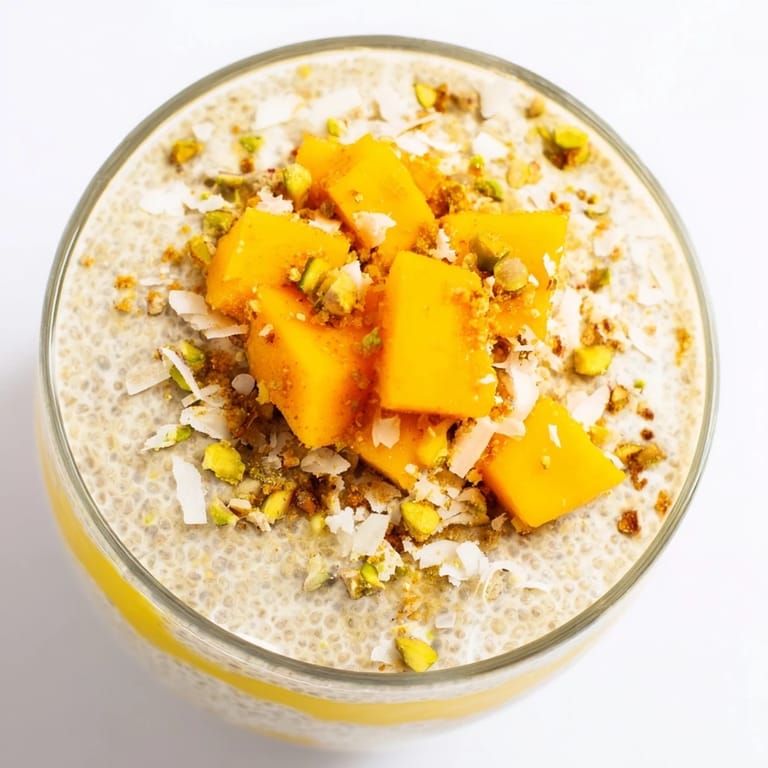
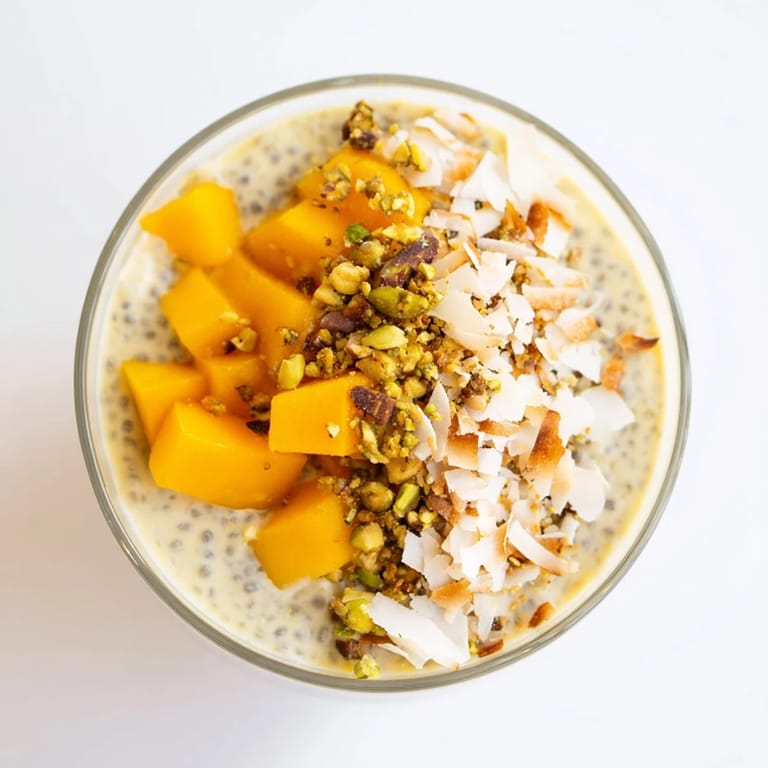
- Scatter toasted coconut flakes, a few crushed nuts, and some fresh mango cubes or a mint leaf on top of each serving. Serve everything cold and watch people's faces light up.
 Pin It
 This dessert became my answer to late-night cravings that wanted to feel special but couldn't demand standing at the stove for hours. There's something grounding about a bowl of something so naturally beautiful that you pause before eating it, just to appreciate the color.
On Choosing Your Mango
The difference between a mediocre mango and an exceptional one is the gap between a recipe that works and one that becomes memorable. I learned this the hard way by being impatient at the grocery store, picking mangoes by color alone and ending up with mealy, flavorless fruit that no amount of lime juice could rescue. Now I use the smell test: a truly ripe mango has a fragrant, almost perfume-like scent near the stem, and when you hold it, it gives ever so slightly to pressure without feeling mushy. Buying from a good produce section or farmers market means you're more likely to get fruit that actually tastes like something.
Making It Your Own
The foundation of this pudding is so simple that it practically invites experimentation. My partner prefers the pudding with almond milk instead of coconut, swearing it tastes cleaner, while I've had friends blend pineapple with the mango for a sharper tropical note. The only limit is your willingness to taste as you go and adjust. I once added cardamom to the pudding base and it transformed the entire bowl into something that tasted faintly like a fancy dessert from a restaurant, but that's the kind of discovery you make when you're not afraid to try.
Serving and Storage Wisdom
I've learned that this pudding actually tastes better the next day, once the flavors have gotten to know each other. Store the pudding and puree in separate containers in the fridge for up to three days; assemble them fresh in the morning so the toppings stay crisp. If you're making this for guests, assemble it up to an hour before serving and keep everything cold.
- The pudding can sit in the fridge for three days, but the mango puree is best used within two.
- Don't add toppings until right before serving or the coconut flakes will absorb moisture and lose their crunch.
- If you accidentally make it too sweet, a tiny pinch of salt in the pudding base will balance it right out.
 Pin It
 This pudding has become my quiet confidence builder in the kitchen, the reliable dish I reach for when I want to serve something that tastes far more impressive than the effort it required. There's real magic in simplicity done right.
Recipe FAQs
- → How do chia seeds contribute to the texture?
Chia seeds absorb liquid and swell, creating a soft, gel-like consistency that thickens the base while adding a subtle crunch.
- → Can I substitute coconut milk with other plant-based milks?
Yes, almond or oat milk can be used as lighter alternatives, though coconut milk provides the richest, creamiest texture.
- → How long should the mixture be chilled?
Chilling for at least two hours allows chia seeds to fully hydrate and the flavors to meld, resulting in a creamy consistency.
- → What enhances the mango puree flavor?
Adding lime juice balances the sweetness and brightens the fresh mango taste for a vibrant layer.
- → What toppings work best for this dish?
Toasted coconut flakes, chopped pistachios or almonds, fresh mango cubes, and mint leaves add texture and a fresh finish.