 Pin It
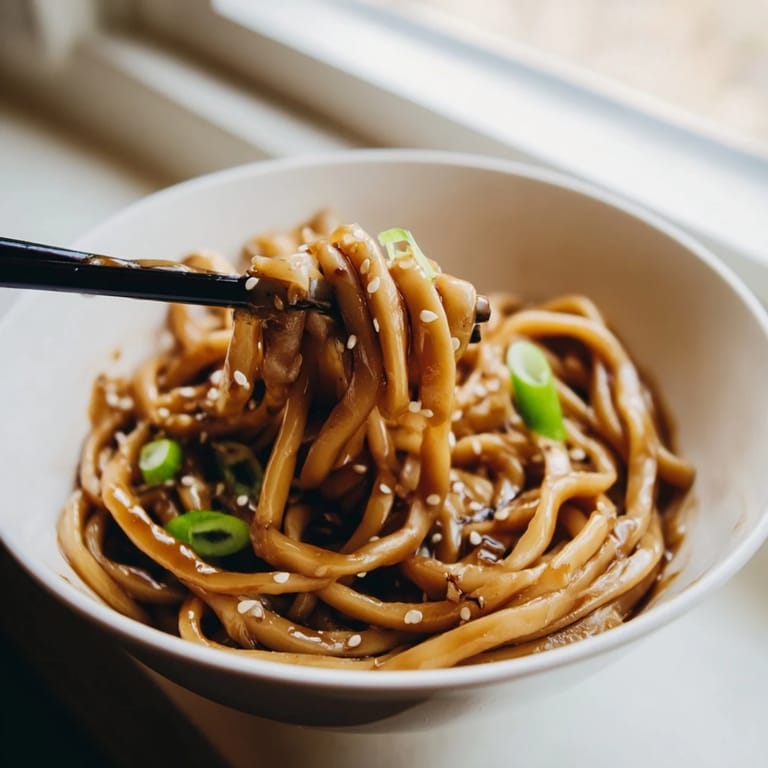
 There's a particular magic in watching noodles tumble through a skillet kissed with golden garlic and butter—it's one of those dishes that came together almost by accident on a weeknight when I had hungry people at my table and about twenty minutes to work with. What started as me rummaging through the pantry became this unexpectedly silky, deeply savory bowl that people kept asking for seconds on. The simplicity of it is deceptive; there's real technique hiding in those few ingredients.
I made this for my neighbor one evening when she mentioned craving something warm and comforting but didn't have the energy to fuss with complicated techniques. The moment that glossy sauce coated the noodles and the kitchen filled with that toasted sesame smell, I watched her expression shift from tired to genuinely delighted. That's when I realized this wasn't just a quick dinner—it was the kind of food that lands differently depending on who you're cooking it for.
Ingredients
- Wheat noodles (300 g): Lo mein, spaghetti, or ramen all work beautifully here; the key is cooking them just past al dente since they'll continue softening slightly in the pan.
- Unsalted butter (3 tbsp): This is your base—it carries the garlic and creates that silky coating, so resist the urge to skimp or swap it for oil alone.
- Garlic (5 cloves, minced): The heart of this dish; mince it finely so it distributes evenly and toasts quickly without turning bitter.
- Soy sauce (2 tbsp): Your umami backbone; regular soy sauce works fine, but don't skip the mingling of flavors that happens when you use both light and dark varieties.
- Dark soy sauce (1 tbsp, optional): This deepens the color and adds a subtle molasses note that regular soy sauce alone can't achieve.
- Oyster sauce (1 tbsp, optional): A secret weapon for rounding out the flavors; mushroom oyster sauce keeps it vegan if that matters to you.
- Toasted sesame oil (1 tbsp): Never use regular sesame oil—it's a different product entirely and will taste wrong; toasted sesame oil is the finishing touch that makes this sing.
- Sugar (1 tsp): A tiny amount balances the saltiness and brings all the flavors into harmony without making anything sweet.
- Green onions, sesame seeds, and chili: These toppings aren't garnish—they're texture and brightness that prevent the dish from feeling heavy.
Tired of Takeout? 🥡
Get 10 meals you can make faster than delivery arrives. Seriously.
One email. No spam. Unsubscribe anytime.
Instructions
- Bring the noodles to life:
- Cook your noodles in generously salted water according to the package timing, but aim for just barely al dente since they'll soften a bit more in the pan. Drain well and set aside—excess water will dilute your sauce and ruin the whole effort.
- Build your flavor base:
- Melt butter over medium heat in a large skillet or wok, then add your minced garlic and listen for it to begin crackling and perfuming the air. You want those tiny pieces to turn pale gold and fragrant, which takes about a minute and a half—any longer and they'll taste bitter and wrong.
- Create the sauce:
- Pour in your soy sauces, oyster sauce if using, sesame oil, and sugar all at once, stirring constantly so everything combines into one glossy, aromatic mixture. The sauce should smell deeply savory and slightly sweet, with layers you can actually taste.
- Marry the noodles and sauce:
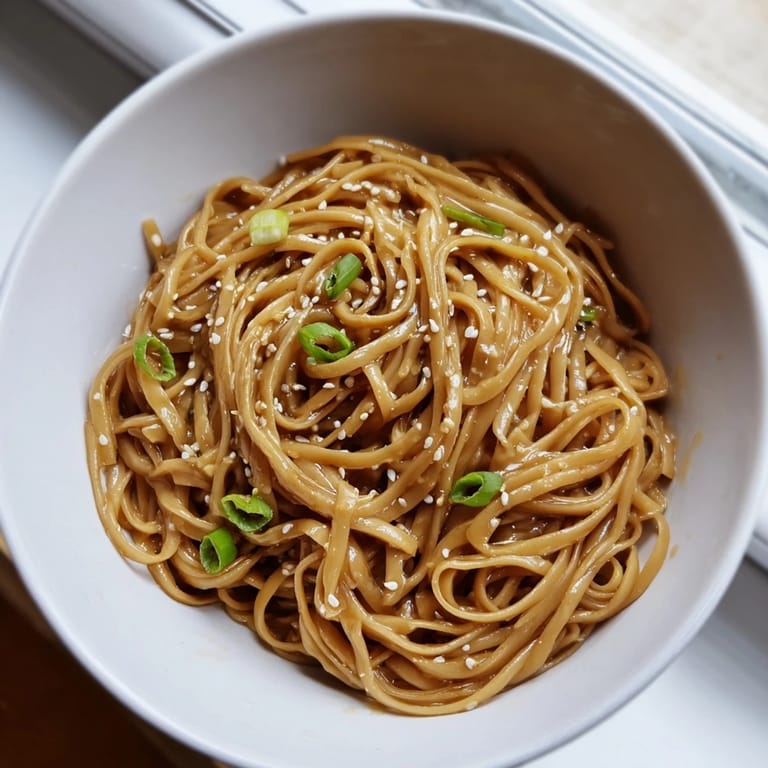
- Add your cooked noodles to the skillet and toss relentlessly for about two minutes, making sure every strand gets coated in that golden sauce. You'll see them transition from pale to glossy and deeply flavorful right before your eyes.
- Finish and serve:
- Remove from heat while the noodles still have a slight movement to them—residual heat will continue the cooking process. Divide into bowls and crown each serving with your chosen toppings while everything is still hot and steaming.
 Pin It
 My colleague brought this to a potluck once without telling anyone what it was, and people genuinely debated whether she'd bought it from some fancy Asian restaurant. She got the credit for sophistication, but the secret was that she'd made it in her dorm room with a single burner. It's that kind of recipe—humble ingredients that somehow land with more grace than they have any right to.
The Garlic Question
You'll notice this recipe leans heavily on garlic, and that's intentional. Five cloves might seem aggressive until you realize they're being mellowed by butter and balanced by the umami of soy sauce and sesame oil. The garlic isn't meant to punch you in the face—it's meant to create depth, that savory hum that makes people say the food tastes incredible without being able to pinpoint exactly why. If you're garlic-averse, you can dial it back to three cloves, but I'd encourage you to try it as written first.
Protein and Variations
This bowl is vegetarian as written, but it genuinely sings with protein stirred in. I've made it with pan-seared tofu that picks up a slight crust, with shrimp that only needs a minute in the pan, and with leftover shredded chicken that soaks up the sauce like a sponge. You can also load it with vegetables—julienned carrots, snap peas, and mushrooms all work without requiring any adjustment to the core sauce.
The Finishing Touch Matters
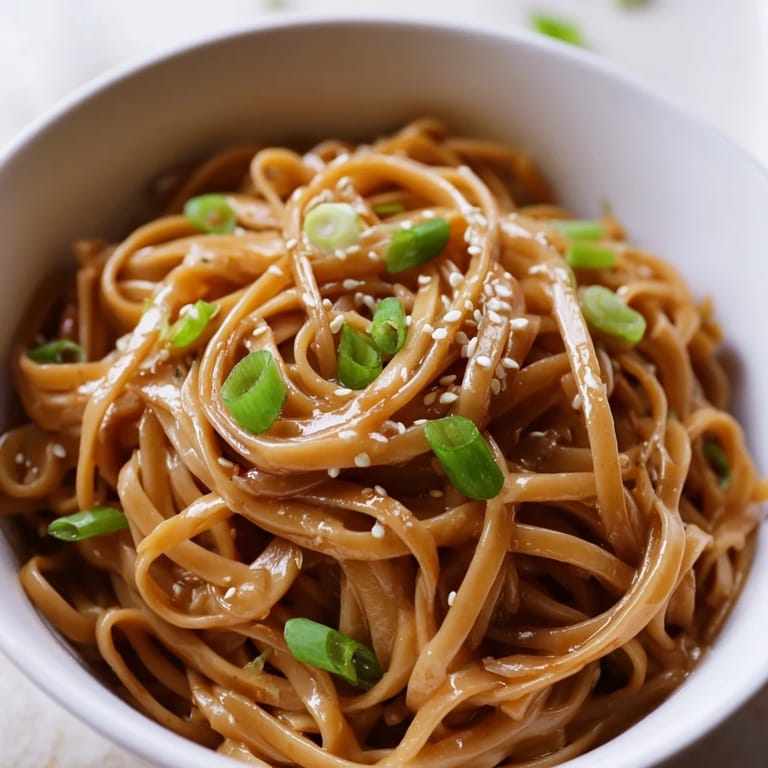
Don't rush past the toppings thinking they're optional flourishes. The brightness of raw green onions, the crunch of toasted sesame seeds, the heat from fresh chili—these create contrast that keeps the bowl interesting from first bite to last. A bowl of plain noodles in sauce is nice; a bowl with those toppings scattered across the top is genuinely crave-worthy.
- Toast your own sesame seeds in a dry pan for thirty seconds if you have the time—the flavor is noticeably more alive than pre-toasted.
- If you can't find fresh cilantro, the dish is still complete without it, but it does add a brightness that makes the whole bowl feel less heavy.
- Don't add your toppings until you're ready to eat, or the sesame seeds will soften and the green onions will start to wilt.
 Pin It
 This is the dish I make when I want to feel capable without overthinking, when I want to feed people something that tastes carefully considered but came together in barely twenty minutes. It's proof that simplicity, when done with attention and good ingredients, is its own kind of elegance.
Recipe FAQs
- → Can I use different types of noodles?
Yes, this dish works well with lo mein, spaghetti, ramen, or any wheat noodles you prefer. For a gluten-free version, substitute with gluten-free noodles and use tamari instead of soy sauce.
- → How do I make this vegan?
Replace the unsalted butter with plant-based butter and use mushroom oyster sauce instead of regular oyster sauce. All other ingredients are naturally plant-based. Always check labels to confirm no animal products are present.
- → What if I want to add protein?
Pan-fried tofu, sautéed shrimp, or grilled chicken all pair excellently with this dish. Add your protein during the last minute of cooking or toss it in with the noodles before serving.
- → Can I adjust the sauce flavors?
Absolutely. Taste as you go and adjust the garlic, soy sauce, or sesame oil to your preference. The sauce is very customizable—increase garlic for more intensity or reduce soy sauce for a lighter flavor.
- → How should I store leftovers?
Store in an airtight container in the refrigerator for up to three days. Reheat gently in a skillet or wok with a splash of water or sesame oil to restore the noodles' texture and prevent sticking.
- → What wine pairs well with this dish?
A crisp, aromatic white wine such as Riesling complements the savory garlic and sesame flavors beautifully. Alternatively, a light lager beer pairs wonderfully with the rich, umami-forward sauce.