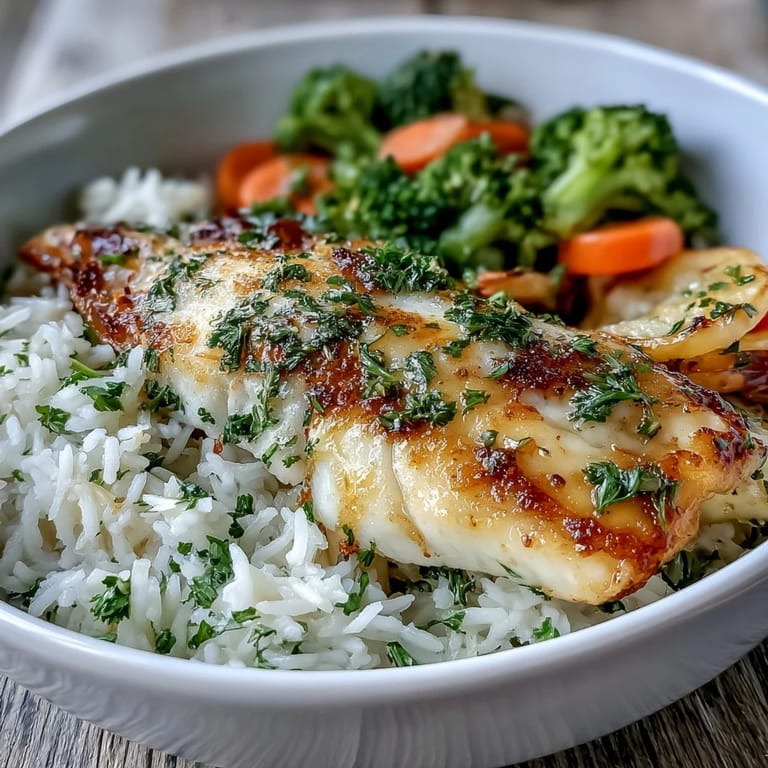
 Pin It
 There was a Tuesday evening when my neighbor stopped by carrying fresh tilapia from the farmer's market, insisting I needed to stop ordering takeout and try something this simple. I was skeptical, honestly, but something about the way she described baking it with lemon and herbs made me curious. That night, while rice steamed on the stove and vegetables softened in their own gentle heat, I realized how a meal could taste restaurant-quality without the stress or the bill.
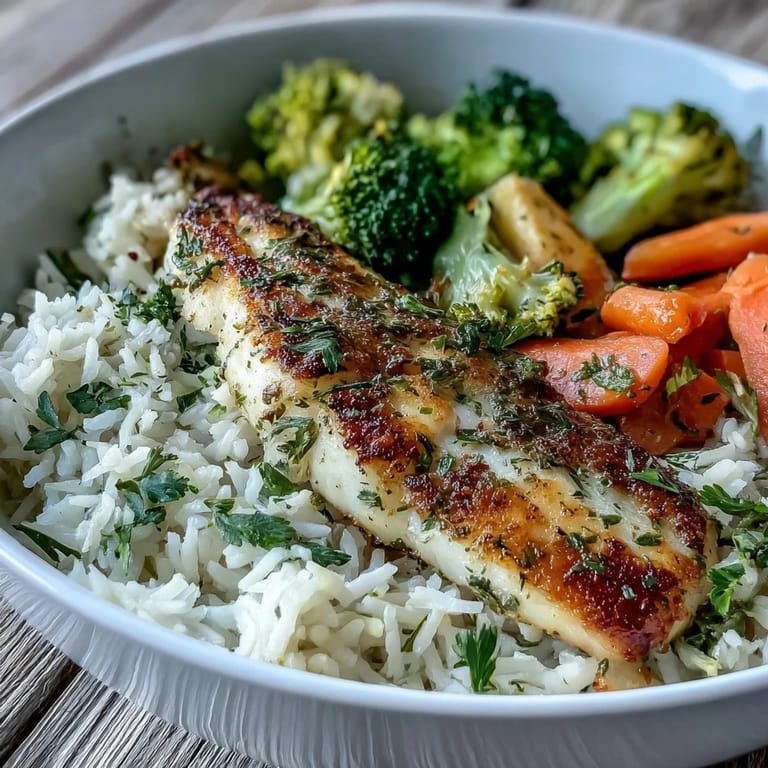
I made this for my sister the night before she started a new job, and she claimed it calmed her nerves more than any pep talk could have. There's something grounding about a bowl arranged with care—the gentle mound of rice, the golden fish fillet, the bright green florets arranged like they actually matter. She still texts me asking for it when life feels chaotic.
Ingredients
- Tilapia fillets: Four 150-gram fillets give you four generous servings, and this mild white fish absorbs flavors beautifully without any fishiness that might turn people off.
- Olive oil: Use a decent one here because you'll taste it directly; the 2 tablespoons coat the fish just enough to keep it moist without drowning it.
- Lemon juice: Fresh is absolutely worth it—bottled lemon juice tastes flat and thin compared to the brightness fresh juice brings to the herb mixture.
- Dried Italian herbs: If you have fresh parsley, thyme, or oregano growing on a windowsill, use those instead; they transform this from serviceable to memorable.
- Garlic powder: Half a teaspoon is subtle enough to enhance without overwhelming, though you can always adjust to taste.
- Salt and black pepper: Season generously; mild fish needs an assertive hand with seasoning.
- Long-grain white rice: Brown rice works beautifully too if you have the extra 20 minutes and want more fiber and nuttiness.
- Water: Two cups creates the perfect rice-to-liquid ratio for fluffy, separate grains.
- Broccoli florets: Two cups is roughly one medium head, and steaming keeps them bright green and crisp-tender instead of mushy.
- Carrots: Peeled and sliced into half-inch coins so they cook evenly in 5 to 7 minutes alongside the broccoli.
Tired of Takeout? 🥡
Get 10 meals you can make faster than delivery arrives. Seriously.
One email. No spam. Unsubscribe anytime.
Instructions
- Heat the oven and prep your workspace:
- Preheat to 200°C (400°F) and line a baking sheet with parchment paper or a light coating of oil so the fish won't stick. A clean, organized workspace means you can move smoothly from one step to the next.
- Dry and season the fish:
- Pat those tilapia fillets completely dry with paper towels—moisture is the enemy of browning and even cooking. Whisk together olive oil, lemon juice, Italian herbs, garlic powder, salt, and pepper in a small bowl, then brush it generously over both sides of each fillet, making sure the herb mixture coats them evenly.
- Bake until flaky:
- Slide the baking sheet into the oven for 12 to 15 minutes, and you'll know it's done when the fish flakes easily with a fork and looks opaque throughout. Set a timer so you don't accidentally overcook it—tilapia is forgiving but not invincible.
- Start the rice:
- While the fish bakes, bring 2 cups of water and half a teaspoon of salt to a boil in a saucepan, then add the rice, stir once, and reduce heat to low. Cover tightly and let it simmer for 15 to 18 minutes for white rice (or 35 to 40 for brown rice), until all the water absorbs and the grains are tender and fluffy.
- Steam the vegetables:
- In a steamer basket positioned over simmering water, add the broccoli florets and carrot slices, cover, and let them soften for 5 to 7 minutes until they're tender but still have a gentle resistance when you bite them. If you like, toss them lightly with a tablespoon of olive oil and a pinch of salt and pepper once they're done.
- Build your bowls:
- Divide the fluffy rice among four bowls, lay a warm tilapia fillet on top of each portion, and arrange the vegetables alongside. This is where it all comes together—a simple, honest meal that somehow feels like you've been cooking all day.
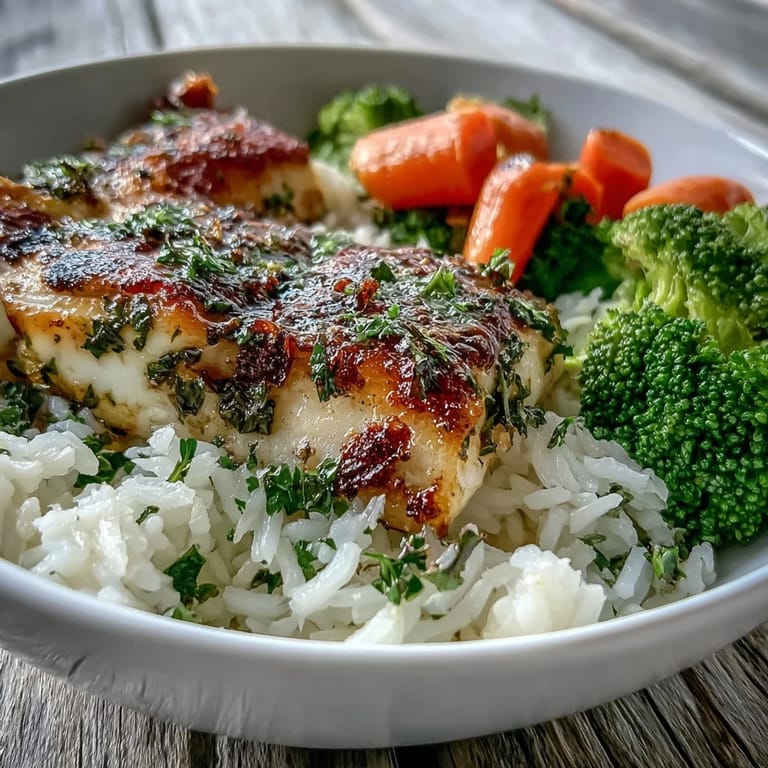 Pin It
 My daughter, who claims to hate anything that smells like fish, asked for seconds when I served her this bowl. I didn't tell her what the main ingredient was until she'd finished eating; sometimes the gentlest introduction is the best one.
Why This Meal Works
There's a real elegance in how these four components come together without demanding much of you. The rice absorbs the subtle herb flavors that run off the fish, the vegetables add color and texture without stealing focus, and the whole thing feels balanced nutritionally without being preachy about it. It's the kind of meal you can make on a Tuesday and feel proud of, or prepare for company and have them think you fussed over it for hours.
Timing and Organization
The beauty of this recipe is that everything synchronizes beautifully if you start the rice before the fish goes into the oven, and then steam the vegetables while both are cooking. By the time the fish is done, your rice has usually finished absorbing water, and your vegetables are perfectly tender, which means you're plating a meal that's all the same temperature at the exact same moment. There's something deeply satisfying about that kind of timing, especially when cooking feels like chaos most nights.
Serving and Customization
This bowl is infinitely flexible once you understand the basic structure. Some people prefer quinoa instead of rice for a protein boost, others swap brown rice for nuttiness, and I've even seen it served cold as a next-day lunch that somehow tastes even better. The herb-lemon coating on the fish is forgiving enough that you can leave things out or substitute freely, though I'd never skip the lemon juice because it's doing real work there. A final squeeze of fresh lemon over the finished bowl, or a scatter of fresh herbs if you have them, lifts everything from everyday to something you'll think about later.
- Add a squeeze of fresh lemon or fresh herbs right before eating for brightness that bottled juice simply can't deliver.
- Swap the tilapia for cod, haddock, or even salmon if you want to change things up—the herb coating works beautifully on almost any mild white fish.
- Brown rice, farro, or quinoa can replace white rice if you're looking for more fiber or a different flavor profile.
 Pin It
 This is the kind of recipe that quietly becomes part of your regular rotation because it never disappoints and never feels like you're sacrificing anything for convenience. Once you've made it a few times, you won't need to think about it at all.
Recipe FAQs
- → How do I know when the tilapia is fully cooked?
The tilapia is done when the flesh turns opaque and flakes easily with a fork. This typically takes 12–15 minutes at 200°C (400°F). Avoid overcooking, as tilapia dries out quickly.
- → Can I use frozen tilapia fillets?
Yes, frozen fillets work well. Thaw them completely in the refrigerator overnight and pat dry before seasoning. This ensures the herb mixture adheres properly and promotes even cooking.
- → What vegetables pair best with tilapia?
Broccoli and carrots complement the mild fish beautifully, but asparagus, green beans, zucchini, or bell peppers also work. Steam or roast them lightly to preserve their natural sweetness and texture.
- → Can I prepare this bowl in advance?
Cook rice and steam vegetables up to 2 days ahead. Reheat gently before serving. However, bake the tilapia fresh for the best texture and flavor, as reheated fish tends to dry out.
- → Is this bowl suitable for meal prep?
Absolutely. Assemble individual portions in airtight containers, keeping the tilapia separate from the rice and vegetables if possible. Store in the refrigerator for up to 3 days and reheat gently before serving.
- → What herbs work best with tilapia?
Dried Italian herbs, parsley, thyme, oregano, and dill all complement tilapia's mild flavor. Fresh herbs like basil or cilantro add brightness when sprinkled over the finished bowl.