 Pin It
 The first time I made Celery Root Bisque was on a brisk autumn evening when I was trying to impress my in-laws with something elegant yet unfussy. There was something mesmerizing about transforming the gnarly, intimidating celery root into something so silky and refined. The kitchen filled with a subtle earthy aroma as I stirred the pot, and I remember thinking how deceptively simple this sophisticated soup actually was. What started as a dinner party experiment has become one of my most requested recipes.
Last winter, I brought a thermos of this bisque to a friend recovering from surgery. While sitting at her kitchen table, steam rising between us, she took one sip and closed her eyes in appreciation. We sat in comfortable silence for a moment, and I realized good food doesnt always need conversation to communicate care. Something about this particular soup seems to create these quiet, meaningful moments.
Ingredients
- Celery Root: Look for firm, heavy bulbs without soft spots, and dont be intimidated by their gnarly appearance, just trim generously with a sharp knife.
- Leek: The white and light green parts add a gentle allium flavor without overpowering the delicate celery root, just be sure to rinse thoroughly between layers.
- Yukon Gold Potato: This specific variety adds creaminess and body to the soup without contributing a strong flavor that would compete with our star ingredient.
- Heavy Cream: Just a small amount transforms the texture completely, making it restaurant-worthy rich without being too heavy.
- White Pepper: I discovered this makes a difference both visually and flavor-wise, maintaining the soups pale elegance while adding a different dimension than black pepper.
Tired of Takeout? 🥡
Get 10 meals you can make faster than delivery arrives. Seriously.
One email. No spam. Unsubscribe anytime.
Instructions
- Sauté the aromatics:
- Melt the butter in your pot until it foams slightly, then add your leeks, onion, and garlic. Youll know theyre ready when the kitchen fills with a sweet, mellow scent and they turn translucent without browning.
- Add the root vegetables:
- When you toss in the diced celery root and potato, give them a good stir to coat with butter. This quick sauté before adding liquid helps develop their flavors.
- Simmer until tender:
- After adding broth and bay leaf, youll want to maintain a gentle bubble, not a rolling boil. The vegetables should offer no resistance when pierced with a knife before moving to the next step.
- Blend until silky:
- Take your time with the blending phase, especially if using an immersion blender. The soup should feel like liquid velvet with absolutely no detectable pieces remaining.
- Enrich with dairy:
- When adding the milk and cream, keep the heat low to prevent curdling. Watch as the color transforms to a beautiful pale ivory.
- Garnish thoughtfully:
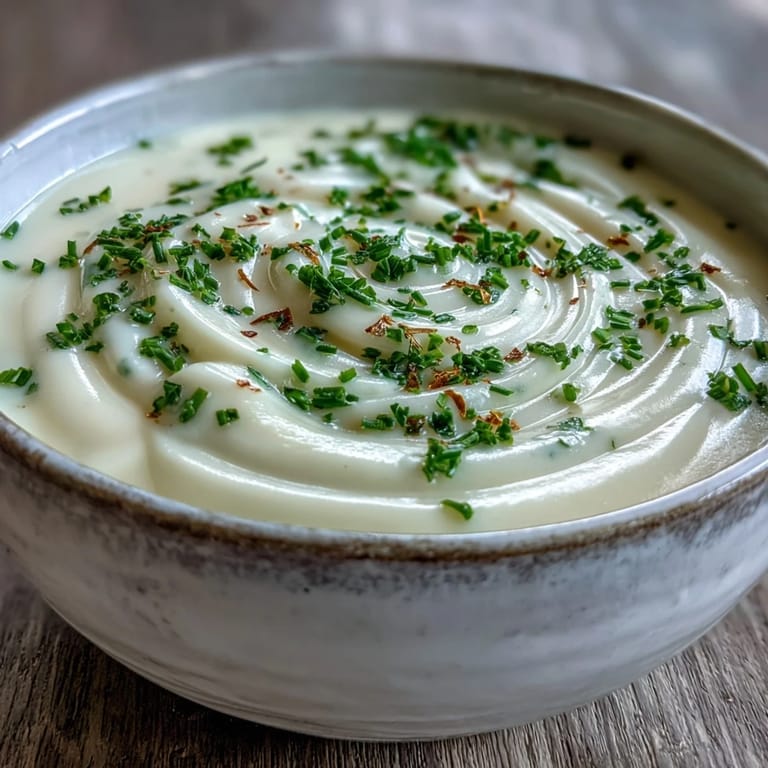
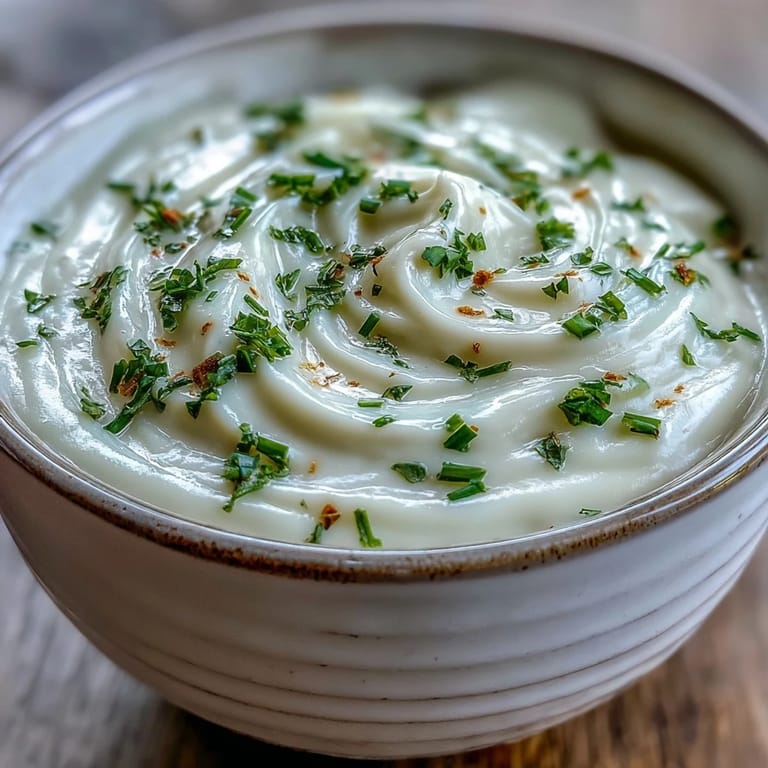
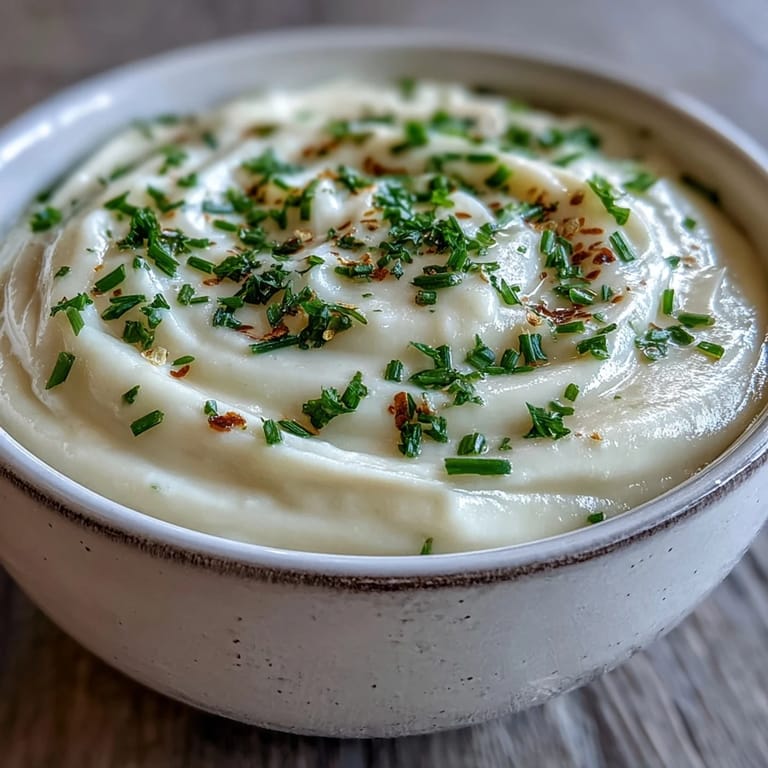
- The bright green herbs against the creamy background arent just for looks. Their fresh flavor cuts through the richness perfectly.
 Pin It
 I once served this bisque at a holiday gathering where conversation had grown tense over politics. As bowls were passed around and the first spoonfuls tasted, I watched shoulders relax and expressions soften. Someone commented on the soups delicate flavor, another asked about ingredients, and somehow the mood shifted entirely. This humble soup had managed to redirect the evening back to connection rather than division.
Seasonal Variations
Through years of making this bisque, Ive found it adapts beautifully to the changing seasons. In spring, I might add a handful of fresh peas just before blending for bright green specks. Summer calls for a chilled version, perhaps with a swirl of herb oil. Fall welcomes a pinch of nutmeg, while winter might see the addition of a parsnip or two alongside the celery root. The basic technique remains steady while allowing for creative seasonal touches.
Serving Suggestions
This bisque deserves thoughtful accompaniments that complement without overwhelming its subtle character. A slice of sourdough bread with good salted butter makes the perfect practical companion, soaking up the last precious spoonfuls. For more formal occasions, I serve smaller portions in warmed teacups with tiny cheese straws balanced across the rim. The contrast between the creamy soup and the crisp, savory pastry creates a delightful textural interplay.
Storage and Make-Ahead Tips
One discovery that changed my dinner party strategy was learning how well this soup keeps and even improves with a day of rest. The flavors meld and deepen overnight, making it an ideal prepare-ahead first course when entertaining. Just rewarm gently and add the fresh garnishes just before serving for that made-moments-ago appearance.
- Store cooled soup in airtight containers in the refrigerator for up to three days.
- Reheat slowly over medium-low heat, stirring occasionally to prevent scorching.
- If freezing, do so before adding the dairy, then add fresh cream and milk when reheating.
 Pin It
 This bisque has taught me that true elegance often comes from simplicity done well. Whether youre serving it for a special occasion or simply treating yourself on an ordinary Tuesday, I hope it brings the same quiet moment of pleasure to your table that it has to mine.
Recipe FAQs
- → What does celery root taste like?
Celery root has a mild, delicate flavor reminiscent of celery and parsley with subtle earthy notes. It's sweeter and less assertive than stalk celery, making it perfect for creamy soups where you want gentle flavor without overwhelming the palate.
- → Can I make this bisque ahead of time?
Absolutely. This bisque actually improves in flavor when made a day ahead. Store it in an airtight container in the refrigerator for up to 3 days. Reheat gently over low heat, adding a splash of milk or cream if it thickens too much.
- → Why add potato to celery root bisque?
Potato provides natural starch that helps create a smoother, creamier texture without requiring excessive cream. It also balances the flavor and contributes to the velvety mouthfeel that makes this bisque so luxurious.
- → How do I get the smoothest texture?
Blend thoroughly with an immersion blender until no visible pieces remain. For extra refinement, pass the purée through a fine-mesh sieve. Using both potato and celery root ensures natural creaminess that blends easily.
- → What wines pair well with celery root bisque?
Crisp, mineral-driven white wines complement the earthy sweetness beautifully. Consider Sauvignon Blanc, Chablis, or a dry Riesling. Their acidity cuts through the cream while enhancing the subtle vegetable flavors.
- → Can I freeze this bisque?
Yes, though the texture may change slightly. Freeze before adding the final cream and milk for best results. Thaw overnight in the refrigerator, reheat gently, then stir in the dairy just before serving.