 Pin It
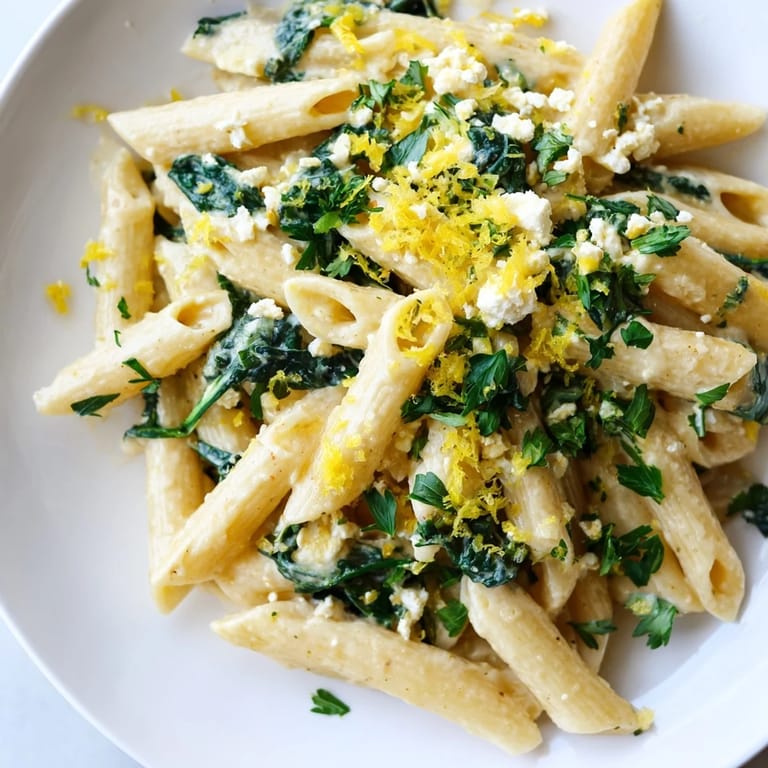
 Something magical happens when feta meets hot pasta water that I discovered completely by accident during a busy weeknight. I was tired, hungry, and had zero energy for making an elaborate sauce, so I just crumbled cheese over whatever pasta shape was in the pantry. The way salty feta transforms into this velvety, tangy coating still feels like kitchen magic every single time.
My sister called me mid panic last month trying to figure out what to feed her new boyfriend. I walked her through this exact recipe over the phone, and she texted me later saying he literally licked his plate clean. There is something about the combination of salty feta and garlicky spinach that makes people feel taken care of without you having to work yourself into a frenzy.
Ingredients
- 400 g dried pasta: Pick something with ridges or curves that catches the sauce. Penne, fusilli, or even spaghetti work beautifully.
- 200 g feta cheese, crumbled: The star of the show. Do not buy the pre crumbled stuff in plastic tubs. Buy a block and crumble it yourself for better texture and flavor.
- 150 g baby spinach: Wilts down to almost nothing so do not be shy with it. Wash it well even if it says pre washed. Sandy pasta is no ones idea of a good time.
- 2 cloves garlic, minced: Fresh garlic only. No jarred garlic paste. The difference in flavor is massive and worth the thirty seconds of mincing.
- 3 tbsp olive oil: Use decent olive oil. It matters here since there are so few ingredients.
- 1 tsp black pepper: Freshly cracked gives you those little bursts of spice throughout.
- 1/2 tsp chili flakes: Optional but highly recommended for a gentle warmth that balances the tangy feta.
- Salt: Your pasta water should taste like the ocean. This is your only chance to season the pasta itself.
- Lemon zest: Brightens everything up like a little burst of sunshine on a cloudy day.
- Fresh basil or parsley: Adds that final pop of color and freshness that makes the dish look like you tried way harder than you actually did.
Tired of Takeout? 🥡
Get 10 meals you can make faster than delivery arrives. Seriously.
One email. No spam. Unsubscribe anytime.
Instructions
- Get your pasta water going first:
- Bring a large pot of salted water to a rolling boil. I mean properly salty. Season the water, not the pasta later.
- Cook the pasta:
- Add your pasta and cook until al dente. Before draining, reserve exactly one cup of that starchy cooking water. This liquid gold is going to become your sauce.
- Warm the olive oil:
- While the pasta cooks, heat olive oil in a large skillet over medium heat until it shimmers slightly.
- Wake up the garlic:
- Add minced garlic and sauté for just one minute. You want it fragrant, not browned. Burnt garlic makes everything taste bitter.
- Wilt the spinach:
- Toss in all the spinach and stir for about two minutes until it collapses into silky green ribbons.
- Bring it all together:
- Add the hot drained pasta to the skillet. Sprinkle the crumbled feta over everything.
- Create the sauce:
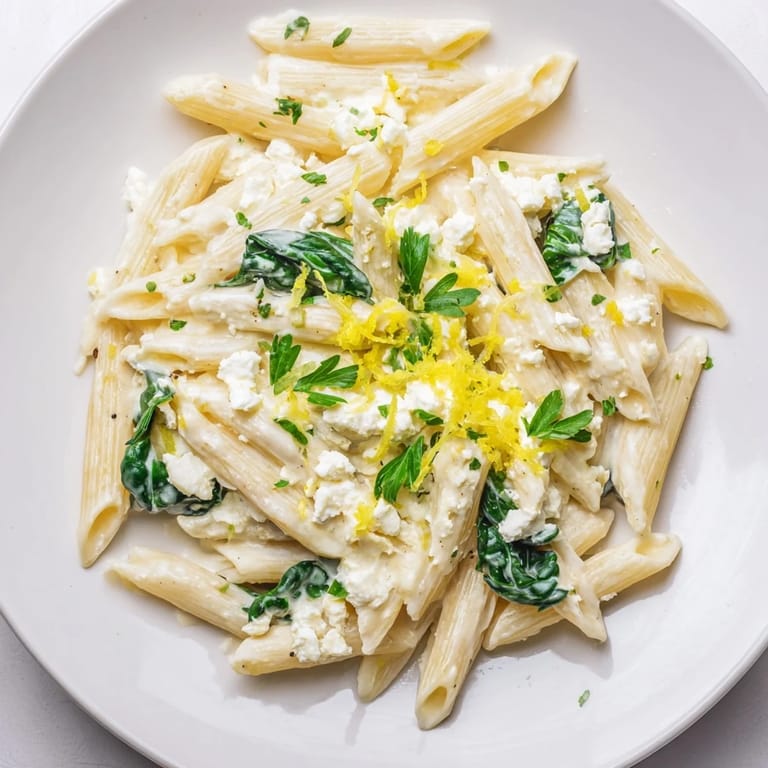
- Pour in about half cup of the reserved pasta water. Toss vigorously. Watch as the feta melts into the starchy water, creating a creamy, tangy sauce that clings to every piece of pasta.
- Adjust and season:
- Add more pasta water if it looks dry. Season with black pepper, chili flakes if using, and taste for salt. The feta is already salty so go easy here.
- Finish and serve:
- Plate immediately while hot. Top with lemon zest and fresh herbs. Do not wait. Pasta sauces thicken up quickly as they cool.
 Pin It
 Last winter I made this for a friend who swears she hates cooked spinach. She took one bite, looked at me with total suspicion, and asked what restaurant I ordered it from. Sometimes the simplest ingredients, treated with just enough care, can convert even the most stubborn skeptics.
Making It Your Own
The beauty of this recipe lies in how forgiving it is. I have made it with arugula when spinach felt too ordinary, added sun dried tomatoes for extra depth, and even stirred in a spoonful of cream cheese when I wanted something more indulgent. The core technique remains the same. Hot pasta meets crumbled feta meets starchy water, and something delicious happens.
What To Serve With It
A crisp white wine like Sauvignon Blanc cuts through the richness perfectly. I also love a simple side salad with a sharp vinaigrette to balance the creamy pasta. If you are feeding a crowd, some crusty bread to mop up any extra sauce is never a bad idea.
Storage and Leftovers
Honestly, this is best eaten immediately. The sauce thickens up as it sits, and reheated pasta is never quite the same experience. If you do have leftovers, add a splash of water when reheating to loosen things back up.
- The pasta will absorb the sauce overnight
- Feta does not melt well in the microwave
- Eat within two days for the best texture
 Pin It
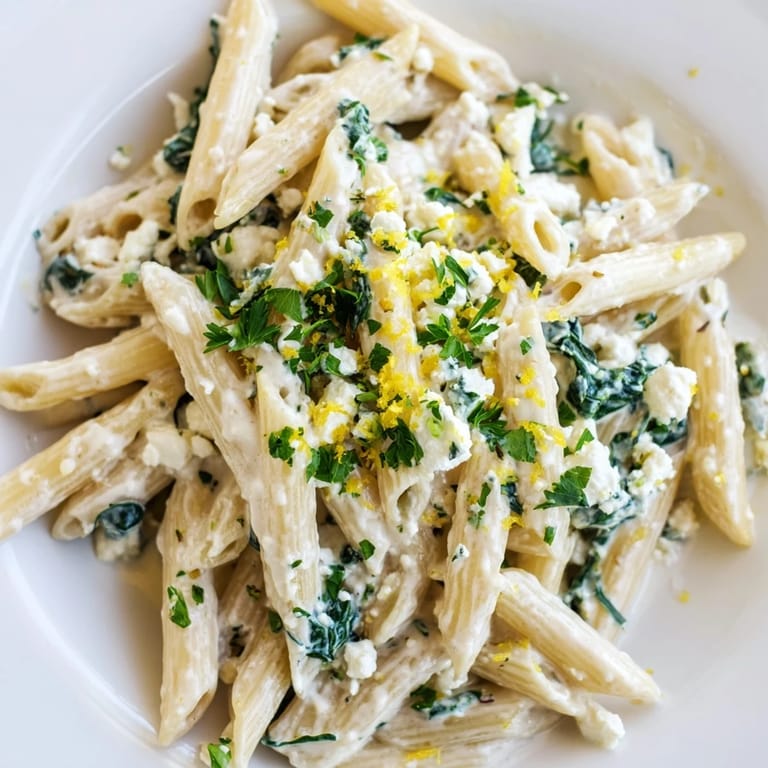
 Sometimes the best recipes are not about complicated techniques or fancy ingredients. They are about understanding how simple things, like salty cheese and starchy water, can transform into something extraordinary. Enjoy every bite.
Recipe FAQs
- → Why do you reserve pasta cooking water?
The starchy pasta water emulsifies with the feta cheese and olive oil to create a naturally creamy sauce without cream or butter. It also helps bind the ingredients together while adjusting the sauce consistency.
- → How do you prevent the feta from becoming rubbery?
Use crumbled feta rather than blocks, add it to the warm pasta off heat or over low heat, and toss gently. The feta should soften and partially melt into the sauce rather than fully melting.
- → Can I make this ahead of time?
This dish is best served immediately while warm. However, you can prep ingredients in advance. Store cooked pasta separately from the other components and reheat gently with a splash of water before tossing everything together.
- → What pasta shape works best?
Penne, fusilli, and spaghetti all work well. Choose shapes with ridges or spirals that capture the creamy sauce and spinach pieces for better texture in every bite.
- → How can I add more protein to this dish?
Add grilled chicken, white beans, chickpeas, or pine nuts. You can also finish with a fried egg on top or stir in soft ricotta for additional creaminess and protein.
- → Is this suitable for dairy-free diets?
Feta cheese is dairy-based, so this isn't naturally dairy-free. However, you can substitute with dairy-free feta alternatives or use nutritional yeast combined with olive oil for a similar tangy, creamy effect.