 Pin It
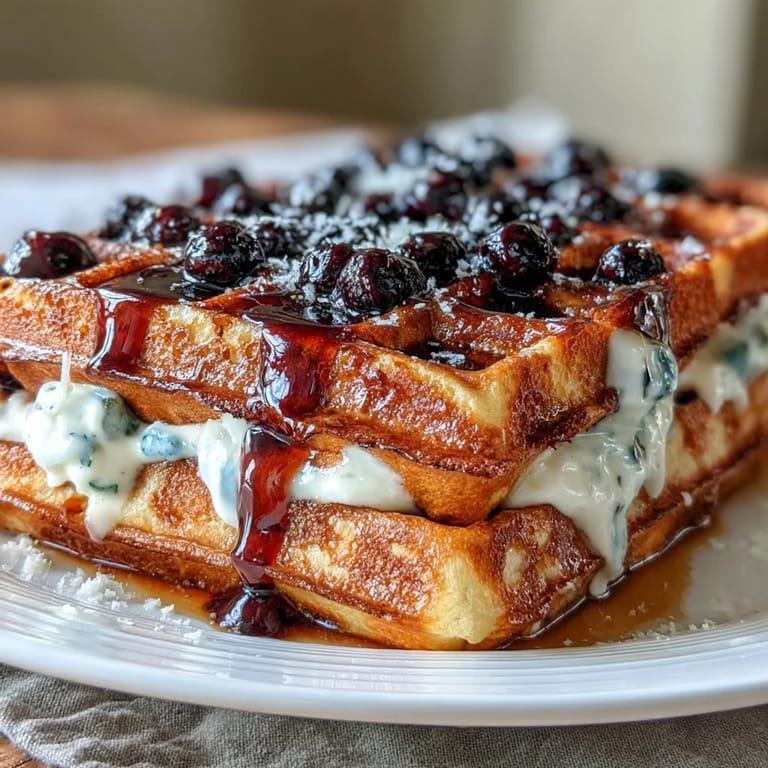
 There's something magical about Sunday mornings when my sourdough starter has been fed and ready, and I realize I can transform it into something unexpected—waffles. Not the ordinary kind, but ones that taste like summer despite the season, with bright lemon and bursts of blueberry in every crispy bite. The first time I made these, I was surprised by how the tangy starter didn't fight with the citrus but actually amplified it, creating this complex flavor that felt too sophisticated for breakfast. My kitchen smelled like a lemon orchard mixed with caramelizing sugar, and honestly, that's when I knew I'd stumbled onto something special.
I served these to my neighbor last spring when she brought over a basket of blueberries from her farmer's market haul, and she actually closed her eyes on the first bite. That moment—when someone's expression shifts from polite to genuinely delighted—that's what these waffles do. She asked for the recipe three times before I finally wrote it down, and now I know she makes them whenever she wants to impress someone at her own table.
Ingredients
- Active sourdough starter (1 cup): This is your secret weapon for tang and lift; you can use unfed discard or a fed starter, either works beautifully.
- Whole milk (1 cup): Creates a tender crumb and helps activate the baking soda for those crispy edges.
- All-purpose flour (1 cup): Measures out to about 120g by weight, which keeps the waffles from becoming dense or gluey.
- Granulated sugar (2 tbsp): Just enough sweetness to balance the tang without making these taste like dessert.
- Large egg (1): Binds everything together and contributes to the golden color and slight richness.
- Unsalted butter (3 tbsp, melted and cooled): Must be cooled slightly or it will scramble the egg when mixed in.
- Vanilla extract (1 tsp): Rounds out the flavor and makes the lemon shine even brighter.
- Lemon zest and juice (1 tsp zest, 1 tbsp juice): The heart of these waffles; use a microplane for zest so it distributes evenly.
- Baking powder and baking soda (1 tsp and ½ tsp): Work together to create lift and that crucial crispy exterior.
- Salt (¼ tsp): Amplifies all the other flavors and prevents the waffles from tasting flat.
- Fresh blueberries (1 cup): Fold them in gently at the end so they stay intact and jewel-like.
- Greek yogurt (1 cup): Full-fat feels silkier, but low-fat works too if that's what you have.
- Pure maple syrup (3 tbsp for yogurt, plus more for serving): Real maple is worth it here; it tastes nothing like the commercial stuff.
Tired of Takeout? 🥡
Get 10 meals you can make faster than delivery arrives. Seriously.
One email. No spam. Unsubscribe anytime.
Instructions
- Build the base:
- Whisk the sourdough starter, milk, and flour together in a large bowl until mostly smooth, then let it rest for 10 minutes. This resting period is crucial—it lets the flour hydrate and the starter begin its work, making the batter more forgiving and the waffles more tender.
- Combine the wet ingredients:
- In another bowl, whisk the egg, cooled melted butter, vanilla, lemon zest, and lemon juice until smooth and pale. Keep this separate until the last moment so the acid doesn't start reacting too early.
- Bring it together gently:
- Stir the sugar, baking powder, baking soda, and salt into the rested batter, then fold in the egg mixture with just a few strokes. Overmixing develops gluten and makes dense, tough waffles, so resist the urge to blend it smooth.
- Fold in the jewels:
- Gently fold the blueberries into the batter at the very end, being careful not to crush them or they'll bleed purple everywhere. If you're using frozen berries, toss them lightly in flour first to help them stay suspended and prevent color bleeding.
- Get your iron ready:
- Preheat your waffle iron according to its instructions and lightly grease it if the manufacturer recommends. A well-seasoned iron or one with a good non-stick coating makes all the difference in achieving those crispy, release-friendly exteriors.
- Cook to golden perfection:
- Pour about ½ to ¾ cup batter into the center of the preheated iron (adjust based on your iron's size), then cook until the steam stops escaping and the exterior is deeply golden brown and crisp, usually 4–5 minutes. Resist opening the lid early; patience here pays off in crispiness.
- Make the maple yogurt:
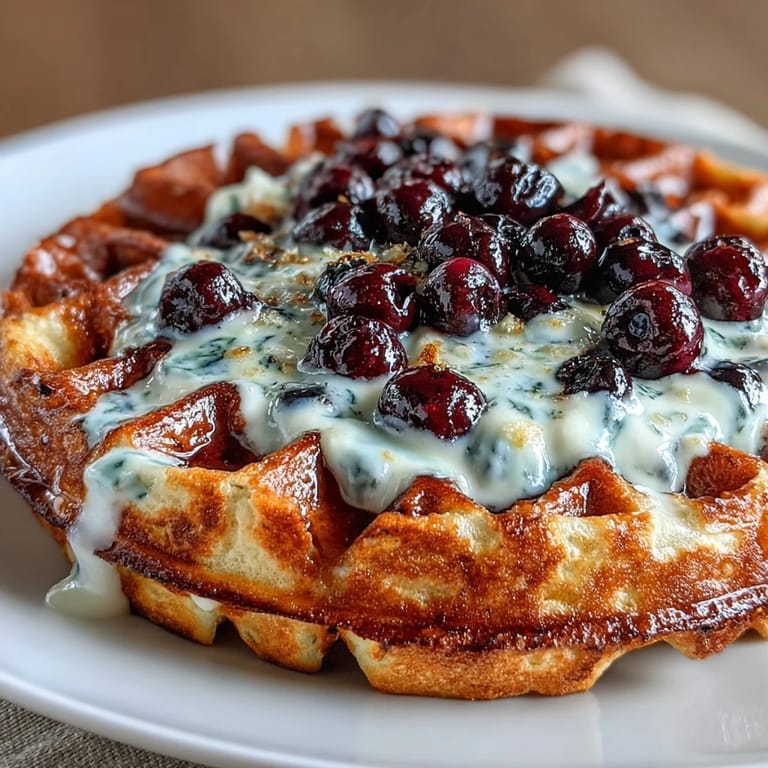
- While the waffles finish cooking, whisk together the Greek yogurt and maple syrup in a small bowl until smooth and creamy. A light hand prevents it from becoming thin or watery.
- Serve with the trimmings:
- Plate the warm waffles and top generously with maple yogurt, scatter on extra blueberries, drizzle with additional maple syrup, and finish with a light grating of lemon zest if you want to amplify that citrus note.
 Pin It
 Last summer, I made these for my sister's family when they visited, and her 4-year-old—who usually only eats plain toast—asked for seconds and then thirds. Watching a picky eater light up over tangy, bright-flavored waffles felt like proof that good food speaks a universal language, even to the smallest taste buds.
The Sourdough Starter Advantage
Using sourdough starter in waffles isn't just a way to reduce waste; it's actually superior to conventional leavening. The starter adds a subtle tang that makes the lemon and blueberries taste even more vibrant, almost like they've been amplified through a flavor speaker. It also creates a more tender, complex crumb than all-purpose leavening alone could achieve, which means these waffles hold up beautifully to toppings without becoming soggy or falling apart.
Crispy Edges, Tender Centers
The secret to waffle perfection is understanding that the outside should sound crispy when you cut into it, while the interior stays soft and yielding. The combination of baking powder and baking soda creates that audible crunch, while the sourdough starter and egg contribute moisture and structure that prevents the middle from drying out. Letting the cooked waffles rest on a wire rack instead of stacking them prevents steam from making the bottoms soggy, which is why that extra step in the warm oven is worth the effort.
Lemon and Blueberry: A Perfect Pairing
Citrus and berries are a classic combination for a reason—the acid in lemon brightens the natural sweetness of blueberries while the berries add depth and a subtle earthiness that prevents the lemon from feeling sharp or one-dimensional. The zest matters here just as much as the juice; it carries the essential oils that make lemon taste like pure sunshine. This is the kind of breakfast that tastes fancy enough for company but simple enough to make any Tuesday feel special.
- If you can't find fresh blueberries, frozen ones work beautifully; just toss them lightly in flour before folding to prevent the batter from turning purple.
- A microplane grater makes lemon zesting effortless and ensures fine, even distribution throughout the batter.
- Save a little extra lemon zest for garnishing the finished waffles—it adds a beautiful pop of color and a final burst of brightness.
 Pin It
 These waffles have become my go-to for when I want breakfast to feel like a small celebration, whether it's just for myself on a quiet morning or for people I want to impress. Once you taste that first crispy, tender, lemon-bright bite, you'll understand why sourdough starter deserves a place on your waffle iron.
Recipe FAQs
- → Can I use frozen blueberries instead of fresh?
Yes, frozen blueberries work well. Toss them lightly in flour before folding into the batter to prevent color bleeding and ensure even distribution.
- → What does the sourdough starter add to the waffles?
The sourdough starter provides a subtle tangy flavor and moist texture, enhancing the waffles' complexity and tenderness.
- → How do I keep waffles crisp after cooking?
Place cooked waffles in a single layer on a wire rack in a low oven (about 200°F) to maintain crispness before serving.
- → Can I substitute maple syrup in the yogurt topping?
Absolutely, honey or agave syrup can replace maple syrup for a different yet complementary sweetness in the yogurt topping.
- → Is it necessary to rest the batter before cooking?
Allowing the batter to rest for 10 minutes helps hydrate the flour and activates the sourdough, improving texture and flavor.