 Pin It
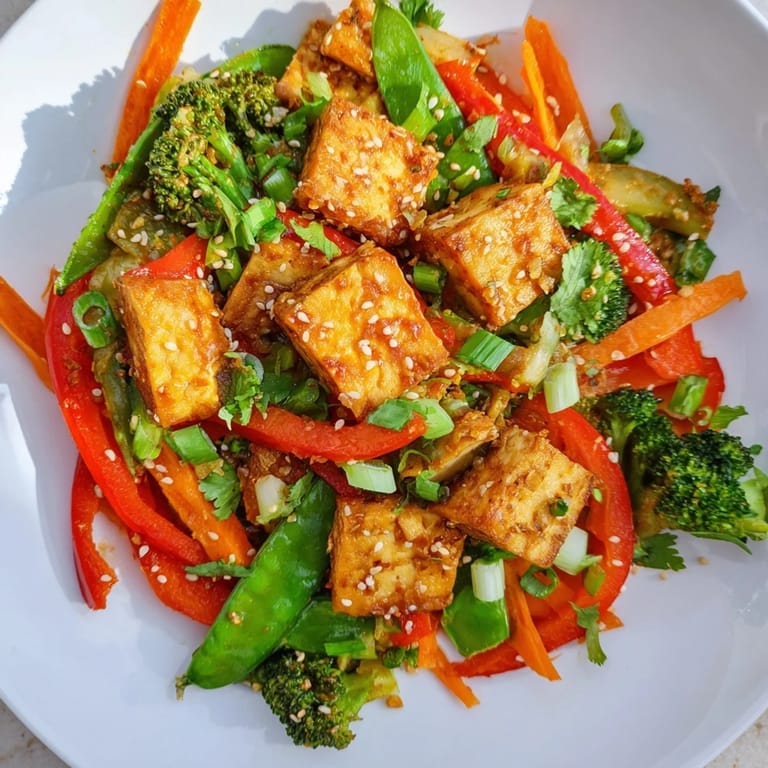
 My coworker once brought this sesame ginger tofu stir-fry to a potluck, and I watched people—the die-hard meat eaters included—go back for thirds. That's when I realized tofu doesn't need to apologize for itself; it just needs the right treatment and bold flavors to shine. The crispy edges, the tangy-sweet sauce coating everything, the way the noodles catch all that sesame-ginger magic—I was hooked enough to ask for her recipe that same night.
I made this on a rainy Tuesday when my partner was stressed about a big presentation, and honestly, the smell of ginger and garlic hitting the hot pan seemed to reset the whole mood in our kitchen. By the time we sat down with steaming bowls, they'd stopped checking their phone and actually smiled. Food doesn't always fix things, but sometimes it buys you permission to just breathe for a minute.
Ingredients
- Firm tofu, 400 g drained and pressed: Pressing is non-negotiable—it removes water so the tofu actually crisps instead of steaming. I learned this the hard way after soggy batches that broke my heart.
- Cornstarch, 1 tbsp: This is your secret weapon for crispy edges without breading. It creates a light, golden crust that shatters when you bite into it.
- Vegetable oil, 2 tbsp plus more: High heat needs neutral oil that won't smoke; peanut or avocado oil works beautifully if you have it.
- Red bell pepper, 1 thinly sliced: The sweetness balances the sharp ginger and soy, plus they stay just crisp enough to have texture.
- Carrot, 1 medium julienned: Cut them thin so they cook fast and keep a slight bite rather than turning mushy.
- Sugar snap peas, 100 g: These are a luxury touch that add a fresh pop and a hint of natural sweetness.
- Broccoli florets, 100 g: Small florets cook faster and coat better with sauce than chunky pieces.
- Spring onions, 2 sliced: Save these for the end—they brighten the whole dish with a mild onion sharpness.
- Dried wheat or rice noodles, 250 g: Either works; rice noodles are naturally gluten-free and slightly more delicate, while wheat noodles have more chew.
- Soy sauce, 3 tbsp: Use full-sodium for flavor; tamari works if you need gluten-free and tastes virtually identical.
- Toasted sesame oil, 1 tbsp: This is potent stuff—a little goes a long way, and it's what makes your kitchen smell like a restaurant.
- Rice vinegar, 2 tbsp: The tangy backbone that keeps the sauce from being one-note sweet.
- Honey or maple syrup, 1 tbsp: Rounds out the harsh edges and adds depth without being cloying.
- Fresh ginger, 2 tbsp grated: Grate it fresh and let it sit for 10 seconds in your hand—the heat releases more of that spicy-sweet oil.
- Garlic, 2 cloves minced: Two feels right; any more and it starts to shout over everything else.
- Sesame seeds, 2 tbsp for sauce plus 1 tbsp for garnish: Toast them lightly in a dry pan first if you have time—it deepens their flavor from nutty to almost caramelized.
- Fresh cilantro or coriander leaves, optional: If you have it, scatter it on at the end for herbal brightness.
- Lime wedges, optional: A squeeze at the table adds a final acidic pop that ties everything together.
Tired of Takeout? 🥡
Get 10 meals you can make faster than delivery arrives. Seriously.
One email. No spam. Unsubscribe anytime.
Instructions
- Boil the noodles:
- Get water going first while you prep everything else—by the time you've cut your vegetables, the water will be boiling. Cook noodles just until tender, drain, rinse under cold water to stop them cooking, and set aside on a plate so they won't clump together.
- Prepare your tofu:
- Cut it into cubes about the size of dice. Toss them gently with cornstarch using your hands—the coating should look dusty but not wet.
- Get that tofu golden:
- Heat oil in your wok or skillet over medium-high heat until it shimmers. Add tofu and leave it alone for 2-3 minutes per side so it actually browns instead of moving it around constantly. This is where patience pays off.
- Cook the vegetables:
- Push the tofu to the side, add a splash more oil if the pan looks dry, then add your bell pepper and carrot. Stir-fry for about 2 minutes before adding the sugar snap peas and broccoli. You want everything to still have a slight snap when you bite it.
- Make your sauce while things sizzle:
- While vegetables are cooking, whisk together soy sauce, sesame oil, rice vinegar, honey, ginger, garlic, and one tablespoon of sesame seeds in a small bowl. Taste it—it should make your mouth water a little.
- Bring it all together:
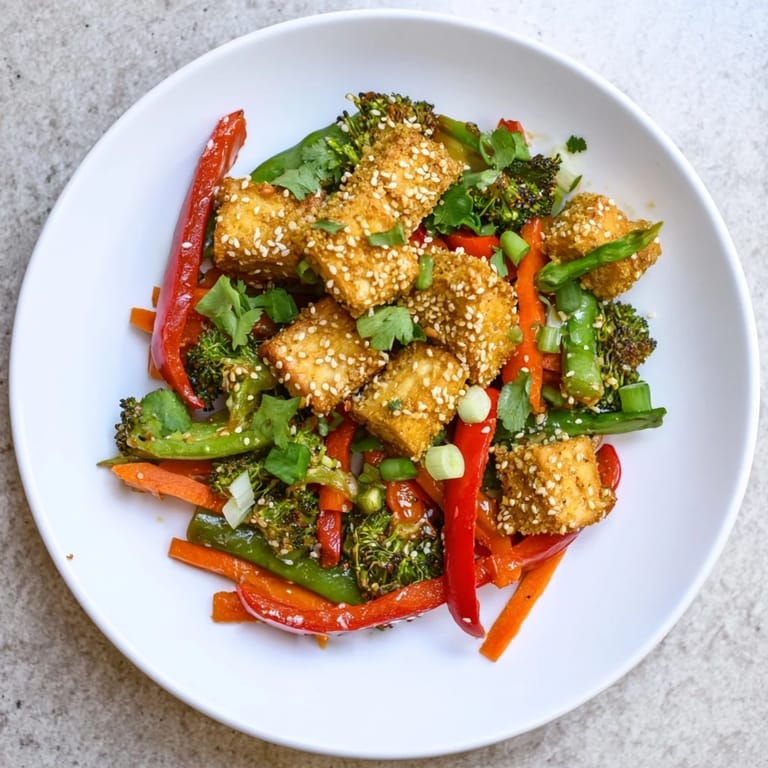
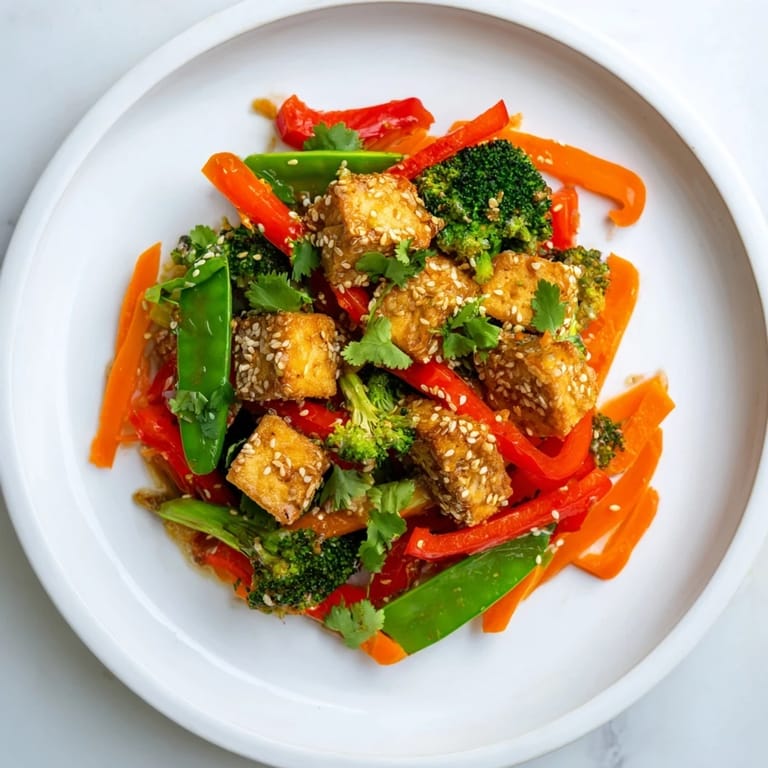
- Return the tofu to the pan with vegetables, add your cooked noodles, and pour the sauce over everything. Toss gently for 2-3 minutes until the sauce clings to the noodles and tofu and everything heats through. The whole mixture should look glossy and smell incredible.
- Finish with flourish:
- Top with sliced spring onions, extra sesame seeds, cilantro if you're using it, and serve with lime wedges on the side. Let people squeeze their own lime—it's one of those small choices that makes them feel like they're in control of their meal.
 Pin It
 There's a moment in almost every stir-fry right before the sauce hits the pan where everything smells green and fresh and raw. Then you pour that sauce in and the whole kitchen transforms—suddenly it smells like intention, like someone cared enough to balance flavors carefully. That shift from scattered ingredients to one unified dish still gets me every time.
The Crispy Tofu Secret
The difference between tofu that's just there and tofu that makes people pause is really about two things: dryness and heat. A well-pressed block and a properly hot pan mean the surface sears instead of sticking, developing those deep golden edges that taste almost caramelized. I used to think I didn't like tofu until I realized I'd never actually given it a chance to get crispy—I was just steaming it by accident.
Why This Sauce Works
The magic here is balance rather than complexity. Soy sauce brings saltiness and umami, rice vinegar cuts through with brightness, honey rounds everything out with sweetness, and then ginger and garlic show up with personality and warmth. Alone, each component is sharp or one-dimensional, but together they're greater than their parts. Sesame oil in the sauce and scattered on top creates this nutty undercurrent that somehow makes you feel like you're eating something special, even though you threw it together in 20 minutes.
Playing With Your Vegetables
The vegetables I've listed are a template, not a mandate. I've made this with mushrooms instead of broccoli, added baby corn for sweetness, tossed in bok choy because it was sitting in my crisper drawer looking guilty. The rule is simple: cut everything roughly the same size so it cooks evenly, and stick to things that can handle high heat without falling apart. Soft vegetables like zucchini or spinach work better added at the very end so they don't turn to mush.
- Mushrooms add earthiness and work especially well if you slice them thick so they don't disappear into the noodles.
- Baby corn brings a slightly sweet crunch that almost feels indulgent.
- Snap peas are my favorite splurge because they stay fresh-tasting and add a quiet elegance to the bowl.
 Pin It
 This is the kind of meal that tastes like you tried, even though you really didn't—and that's the whole point. Quick, generous, and full of flavor, it shows up on my table whenever I need something that feels both comforting and bright.
Recipe FAQs
- → What type of tofu works best for this stir-fry?
Firm tofu is ideal as it holds shape well and crisps nicely during frying, providing a pleasant texture.
- → Can I use a different type of noodle?
Yes, both wheat and rice noodles work well. Choose based on dietary preference or availability.
- → How do I get the tofu crispy?
Pressing tofu to remove excess moisture, coating with cornstarch, and frying in hot vegetable oil until golden ensures crispiness.
- → Are there alternatives to soy sauce for gluten-free options?
Tamari is a gluten-free soy sauce substitute that maintains similar umami flavors in the sauce.
- → How can I add some heat to this dish?
Incorporate chili flakes or a dash of sriracha into the sauce for a spicy kick.