 Pin It
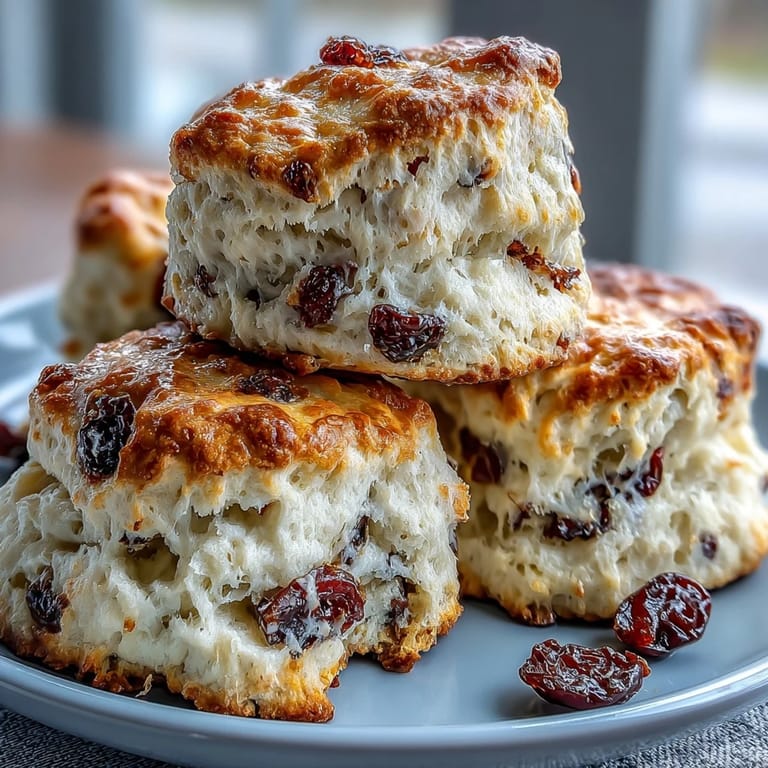
 There's something almost magical about using sourdough discard in baking—it feels like you're rescuing something that would've been thrown away and turning it into something golden and delicious. My first batch of these blueberry scones happened on a Tuesday morning when my starter was particularly bubbly, and I had just enough discard sitting in the fridge to justify not feeding it yet again. The result was so tender and tangy that my partner actually paused mid-bite to ask what I'd done differently, which doesn't happen often. That question made me realize these scones had become something special, and now they're the first thing I reach for when I have discard to use up.
I made these for a small brunch gathering last spring, and watching people reach for a second scone before they'd even finished their first told me everything I needed to know. One friend who's usually skeptical of homemade baked goods actually asked for the recipe, which felt like winning an award. It was the moment I stopped thinking of these as a way to use up discard and started seeing them as a recipe worth repeating on purpose.
Ingredients
- All-purpose flour (2 cups): This is your foundation—it creates the tender crumb that makes scones worth eating, but don't pack it down when measuring or your scones will turn dense.
- Granulated sugar (1/4 cup): Just enough sweetness to balance the tang from the sourdough without making these taste like dessert.
- Baking powder and baking soda (2 tsp and 1/2 tsp): The dynamic duo that gives these their signature lift and fluffy interior; use fresh baking soda especially, as it loses potency over time.
- Fine sea salt (1/2 tsp): This tiny amount heightens everything else and prevents the scones from tasting one-dimensional.
- Cold unsalted butter (1/2 cup): Keep it cold and cubed so it creates little pockets of steam in the oven, giving you that tender, flaky texture.
- Sourdough discard (1 cup, unfed and cold): Use discard that's been sitting in the fridge for a few days—it'll have more flavor and tanginess than fresh discard.
- Heavy cream (1/3 cup plus more for brushing): The richness here is what makes these feel indulgent; don't be tempted to use milk as a substitute.
- Egg (1 large): Acts as a binder and helps everything brown beautifully in the oven.
- Vanilla extract (1.5 tsp): A small amount that rounds out the flavor without announcing itself.
- Fresh blueberries (1 cup): Frozen blueberries work just as well and have one advantage—they don't bleed into the dough as easily because they stay firm until they hit the heat.
- Coarse sugar for topping (2 tbsp, optional): This gives a delicate crunch and looks intentional, like these came from a proper bakery.
Tired of Takeout? 🥡
Get 10 meals you can make faster than delivery arrives. Seriously.
One email. No spam. Unsubscribe anytime.
Instructions
- Heat your oven and prepare:
- Preheat to 400°F and line your baking sheet with parchment paper so nothing sticks and cleanup feels like a breeze. This step matters more than you'd think because a proper oven temperature is what gives you that golden exterior.
- Build your dry base:
- Whisk together flour, sugar, baking powder, baking soda, and salt in a large bowl, making sure everything is evenly distributed. Take a moment to smell it—there's something reassuring about the scent of flour and baking soda that tells you you're on the right track.
- Cut in the butter:
- Add your cold, cubed butter and use a pastry cutter or your fingertips to work it in until the mixture looks like coarse bread crumbs with some pea-sized pieces still visible. This is where patience pays off—don't rush or the butter will warm up and you'll lose that flaky texture.
- Combine your wet ingredients:
- In a separate bowl, whisk together sourdough discard, heavy cream, egg, and vanilla extract until relatively smooth. You'll notice the mixture is thick and creamy, which is exactly what you want.
- Bring it all together:
- Pour the wet mixture into the dry ingredients and stir gently with a spatula until just combined—stop as soon as you don't see dry flour anymore. This is the moment many people overwork the dough out of habit, so set down the spatula and trust that it's ready even if it looks slightly shaggy.
- Fold in the blueberries:
- Add your blueberries carefully, folding them in with as few strokes as possible to keep them whole and beautiful. If you're using frozen blueberries, don't thaw them first; they'll stay intact better and add little pockets of flavor.
- Shape the dough:
- Turn the dough onto a lightly floured surface and gently pat it into a 7-inch circle about an inch thick, using your hands rather than a rolling pin to avoid compressing it. The dough should feel soft and slightly sticky, which means you're doing everything right.
- Cut and arrange:
- Using a knife or bench scraper, cut the circle into 8 wedges like you're slicing a pie, then place each wedge on your prepared baking sheet with a little space between them. That space lets heat circulate and gives you better browning on all sides.
- Add the finishing touch:
- Brush the tops lightly with heavy cream and sprinkle with coarse sugar if you want them to look bakery-quality and sparkle a little when they come out of the oven. This step is optional but transforms the appearance entirely.
- Bake until golden:
- Bake for 20 to 22 minutes until the scones are deeply golden brown and a toothpick inserted into the center comes out clean. You'll know they're done when the kitchen smells incredible and you can't imagine waiting any longer.
- Cool with intention:
- Let them rest on the baking sheet for 10 minutes—this helps them set and makes them less fragile to move—then transfer to a wire rack. Warm scones with a little butter or clotted cream are one of life's simple pleasures.
 Pin It
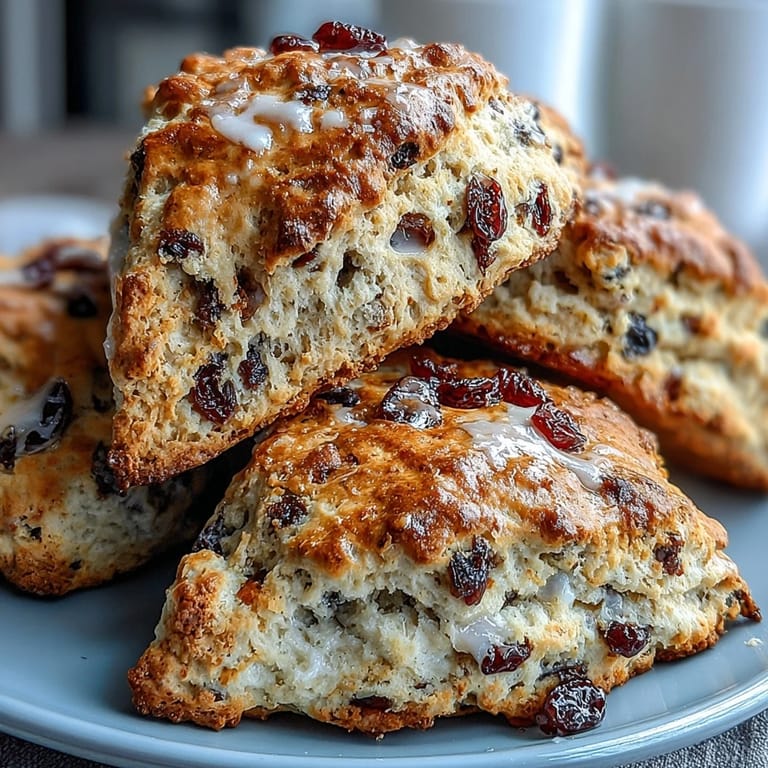
 I learned the value of these scones on a rainy Saturday when a friend showed up unannounced and disappointed about their own failed baking attempt that morning. Twenty minutes later, these came out of the oven, still steaming, and suddenly we weren't just eating breakfast—we were sitting at the kitchen table solving the world's problems over warm scones and tea. Sometimes the best thing you can bake is whatever brings someone back into your kitchen.
The Magic of Sourdough Discard in Baking
Using sourdough discard in scones is honestly one of the smartest kitchen moves because it solves two problems at once: you get to keep your starter alive without waste, and you end up with a more complex, interesting flavor profile. The slight tang from the discard plays beautifully against the sweetness of the blueberries and the richness of the butter, creating something that tastes far more sophisticated than the ingredient list suggests. I've made these with different types of discard—some thin and liquid, some thick and paste-like—and each variation produces slightly different results, which has become part of the fun.
Storage and Serving Suggestions
These scones are absolutely best eaten the same day they're baked, ideally while they're still warm enough to have a tender crumb but cool enough to handle without burning your fingers. If you need to store them, an airtight container will keep them fresh for up to two days, though they're never quite as magical as they are on day one. Warming them gently in a 300°F oven for five minutes before serving brings back some of that just-baked quality.
Ways to Serve and Dress Them Up
The simplest way is still the best—split a warm scone and spread it with good butter, letting it melt into all the little crevices, but these also deserve clotted cream and a small spoonful of jam or lemon curd if you're feeling proper. A light dusting of powdered sugar works for breakfast, while a drizzle of lemon glaze transforms them into something that could masquerade as an afternoon treat. I've even seen these paired with honey and a soft cheese for an unexpectedly delicious combination that nobody expected to work as well as it did.
- If you want a citrus angle, add a teaspoon of lemon or orange zest to the dry ingredients and it becomes an entirely different scone.
- Cream cheese mixed with honey makes a surprisingly sophisticated spread that complements the tang of the sourdough.
- Make a small batch with raspberry instead of blueberry if you want to use up other berries that are sitting in your freezer.
 Pin It
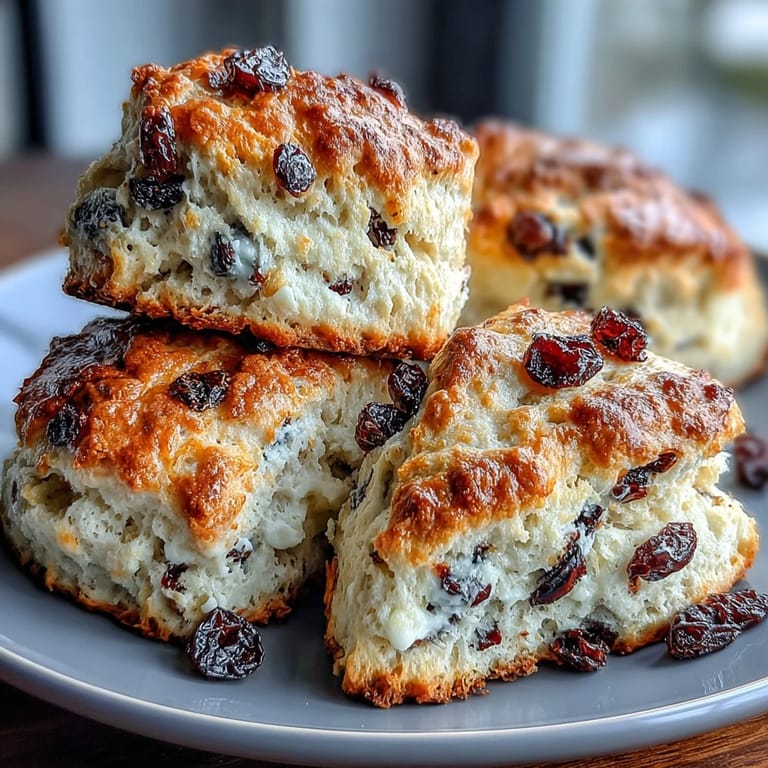
 These scones have become my go-to recipe whenever I need something that feels special without requiring any fancy skills or hours of planning. There's real joy in pulling a tray of golden, bursting-with-blueberry scones out of the oven and knowing that something that simple can make people genuinely happy.
Recipe FAQs
- → Can I use frozen blueberries instead of fresh?
Yes, frozen blueberries work well and can be added directly without thawing to maintain vibrant bursts of fruit.
- → What does sourdough discard add to the texture?
Sourdough discard contributes a subtle tang and tender crumb, enhancing moisture and complexity in the scones.
- → Is it necessary to keep the butter cold?
Keeping butter cold helps create flaky layers by preventing it from melting into the dough prematurely.
- → How can I add a citrus note to these scones?
Incorporate 1 teaspoon of lemon zest into the dough for a bright citrus twist that complements the blueberries.
- → What is the best way to store these scones?
Store in an airtight container at room temperature for up to two days to maintain freshness and texture.