 Pin It
 My neighbor Claude invited me over on a grey November afternoon, and the moment I stepped into his kitchen, the smell hit me—smoky, rich, deeply savory. He'd been tending a cassoulet for hours, and watching him stir that bubbling pot of white beans and ham felt like witnessing something almost sacred. That day, I learned that cassoulet isn't just food; it's a slow, patient conversation between time and ingredients.
I made this for my book club one winter, and something magical happened around the table. Everyone slowed down. Nobody rushed through a bowl. One friend who usually talked about her stressful week just sat quietly, fork moving, eyes half-closed. That's when I realized cassoulet has this power to make people present.
Ingredients
- Smoked ham, diced (400 g): The backbone of this dish—seek out a genuinely smoked variety from a butcher if you can, as supermarket ham often tastes one-dimensional.
- Pork sausage, thickly sliced (200 g): This adds texture and its own subtle spice; don't skimp on quality here because it won't magically improve during cooking.
- Bacon or pancetta, diced (100 g): Render this first—those fat trimmings become the silky base that everything else cooks in.
- Dried white beans, soaked overnight (500 g): Cannellini or Great Northern beans hold their shape beautifully; overnight soaking cuts cooking time dramatically and makes them creamy rather than mushy.
- Carrots, celery, onion, and garlic: This aromatic base is called a mirepoix in French cooking, and it's worth taking time to dice everything evenly so it cooks at the same pace.
- Diced tomatoes, drained (1 can, 400 g): Drain them thoroughly—excess liquid throws off the final texture you're aiming for.
- Chicken stock (1.2 L): Use a good one; the broth becomes the soul of your cassoulet, so it should taste like something you'd actually drink.
- Tomato paste, bay leaf, thyme, smoked paprika: Together these create the deep, almost smoky undertone that makes people ask what spice you're using.
- Olive oil, salt, and pepper: Season in layers as you build the dish, not just at the end.
- Breadcrumbs and parsley (optional): A gratin topping adds textural contrast; fresh parsley at the finish brightens everything.
Tired of Takeout? 🥡
Get 10 meals you can make faster than delivery arrives. Seriously.
One email. No spam. Unsubscribe anytime.
Instructions
- Heat your oven and start the foundation:
- Set your oven to 160°C (325°F)—this low, slow temperature is what transforms tough beans into tender clouds. In a large Dutch oven over medium heat, warm the olive oil and cook the bacon or pancetta until the edges curl and turn golden; you'll smell when it's ready, and the rendered fat is pure cooking gold.
- Build the flavor base:
- Add your chopped onion, carrots, and celery to that bacon fat and let them soften for 5 to 7 minutes, stirring occasionally. When the garlic goes in, stay close for just one minute—garlic burns faster than you'd think, and burnt garlic tastes bitter and ruins the whole mood.
- Introduce the meats:
- Scatter your diced ham and sliced sausage across the vegetables and cook until the edges brown lightly, about 4 to 5 minutes. This isn't about cooking them through; it's about building a crust that adds depth to every spoonful.
- Deepen the color and aroma:
- Stir in the tomato paste and smoked paprika, letting them coat everything for about 2 minutes. The paste will darken slightly and smell almost caramelized—that's exactly what you want. Add your drained tomatoes and stir gently.
- Add the beans and liquid:
- Pour in your soaked, drained beans along with the chicken stock, bay leaf, and thyme. Taste the broth before you seal everything away—season with salt and pepper now, knowing you can adjust at the very end. Bring everything to a gentle simmer on the stovetop.
- Transfer to the oven and let time do the work:
- Cover your pot with a lid and slide it into the oven for 1 hour 30 minutes. Stir once or twice if you think of it, but don't obsess. The beans should be tender enough to break easily with a wooden spoon, and the liquid should reduce into something thicker and more luxurious.
- Optional gratin finish:
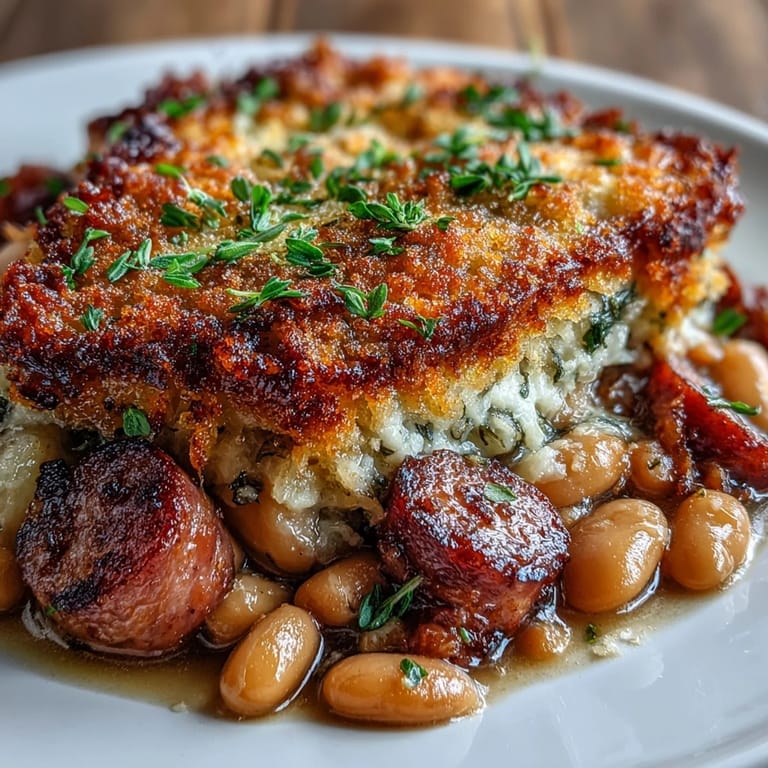
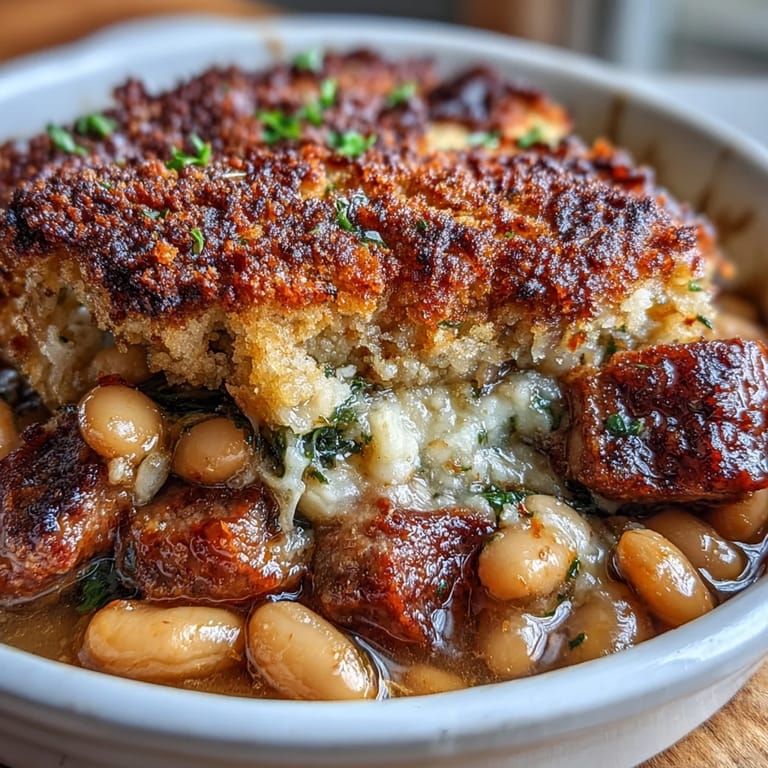
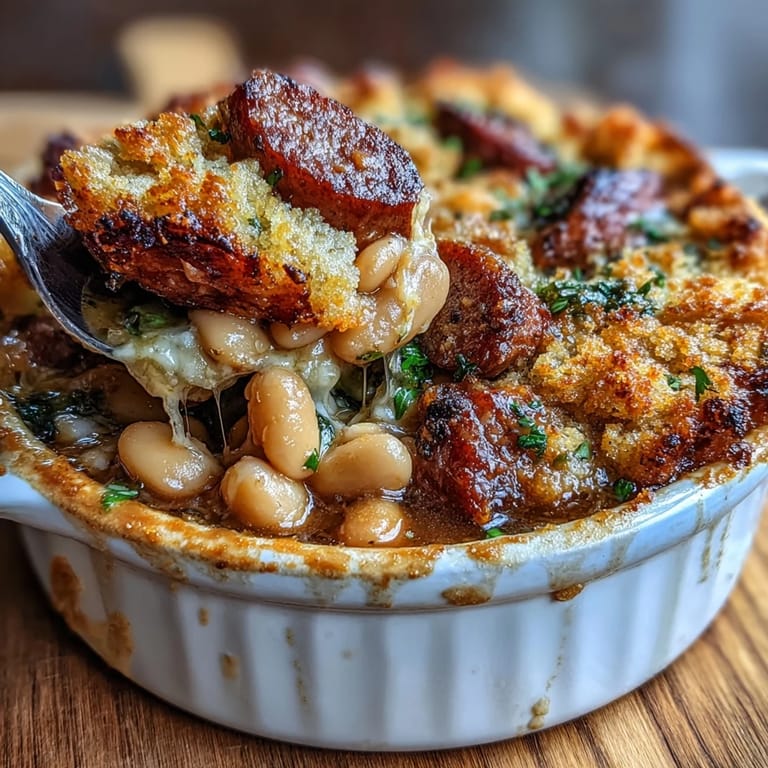
- If you want that crispy top, scatter fresh breadcrumbs across the surface in the last 15 minutes of baking and leave the lid off. They'll turn golden and add a pleasant contrast to the creamy beans beneath.
- Taste and finish:
- Remove the bay leaf and any thyme sprigs. Taste a spoonful of broth and adjust the seasoning one final time. The flavor should be bold and rich, not timid.
- Serve with warmth:
- Scatter fresh chopped parsley over each bowl just before serving. Pair with crusty bread for soaking up every drop and a glass of something red and honest, like a Cahors or Côtes du Rhône.
 Pin It
 A friend came to dinner during a difficult week, and halfway through her bowl, she looked up and said, "This tastes like someone cared." That's when I understood that cassoulet is really just an excuse to spend hours in your kitchen creating something that says, "You matter."
The Magic of Slow Cooking
Cassoulet doesn't work on weeknights, and it shouldn't try to. There's something important about choosing a day when you can be present in your kitchen, not rushing. The low oven temperature gives the beans time to absorb flavors instead of just breaking down, and the meat renders into something almost silky. This is cooking that rewards patience, not speed.
Making It Your Own
Once you understand the basic structure—beans, meats, aromatics, stock, and time—cassoulet becomes a canvas for what you have on hand. A friend made hers with duck confit instead of ham one Christmas, and it was transcendent. Another stirred in white wine instead of some of the stock and swore by it. The bones of the recipe stay the same, but the details can shift with seasons and what your local butcher recommends.
When to Make This and How to Serve
Cassoulet feeds six people generously, and it actually improves overnight when the flavors deepen and meld. Make it on a Saturday afternoon and warm it gently the next evening, which means less stress when guests arrive. Serve it in wide bowls so everyone gets a balance of beans, meat, and that glorious liquid, and let people dress their own bowls with parsley so the green is bright against the deep, russet-colored beans.
- Leftover cassoulet freezes beautifully for up to three months—it's one of those dishes that tastes even better after a few weeks of rest.
- If your bread is fresh and crusty, encourage people to break off pieces and dunk; there's no pretense in good cassoulet, only honesty.
- A simple green salad with sharp vinaigrette alongside cuts through the richness and makes the meal feel complete.
 Pin It
 Cassoulet is the kind of cooking that asks you to slow down and trust that time is doing something important. Make it when you want to fill your kitchen with warmth and your table with people who need it.
Recipe FAQs
- → What type of beans work best for this dish?
Dried white beans such as cannellini or Great Northern are ideal, as they soak up flavors and become creamy when slow-cooked.
- → Can I substitute the meats used in this dish?
Yes, smoked ham, pork sausage, and bacon or pancetta are traditional, but you can adjust based on preference or dietary needs.
- → How should I prepare the beans before cooking?
Soak dried white beans overnight and drain them before adding to ensure even cooking and a tender texture.
- → Is there an optional step for a crunchy topping?
Sprinkling fresh breadcrumbs in the last 15 minutes of baking creates a crispy contrast to the soft casserole base.
- → What herbs enhance the flavor of this dish?
Fresh thyme sprigs, bay leaf, and smoked paprika provide a savory and aromatic depth to the casserole.