 Pin It
 My neighbor Maria taught me chilaquiles during one of those mornings when I showed up at her kitchen uninvited, lured by the smell of frying tortillas and something bright and zesty I couldn't place. She moved through it all with such ease, barely looking at what her hands were doing, and I realized then that the best dishes aren't the ones that impress you with complexity—they're the ones that taste like someone actually cares about feeding you well. That first bite, the way the crispy chips surrendered to the salsa but held their texture, the runny egg yolk mixing into everything like edible gold—I was hooked before the cilantro even landed on the plate.
I made this for my parents one Sunday, and my dad—who usually just grabbed toast and coffee—actually sat down and asked for seconds. There was this quiet moment where everyone was just focused on eating, no phones, no rush, just the sound of forks and someone asking for more cilantro. That's when I understood chilaquiles isn't really about the recipe; it's about giving people permission to linger over breakfast.
Ingredients
- Corn tortillas: Six small ones, cut into triangles, are your foundation—fresh ones fry up lighter and crisper than day-old tortillas that can turn heavy.
- Vegetable oil: Use a third cup for frying; it needs to be hot enough that the chips crisp up immediately rather than absorb too much oil.
- Salsa: A cup of either green or red sauce is your liquid gold—homemade is wonderful, but honestly, a good store-bought version saves time and still tastes vibrant.
- Eggs: Two large ones fried separately so their yolks stay runny and become the creamy element that ties everything together.
- Queso fresco or feta: A quarter cup crumbled offers salty, tangy contrast that grounds all the bright flavors.
- Red onion, cilantro, avocado: These three are your freshness squad—they keep the dish from feeling heavy and add texture that matters.
- Sour cream or Mexican crema: Two tablespoons drizzled at the end cools everything down and adds richness.
- Salt, pepper, optional jalapeños: Taste as you go and add heat only if your crowd wants it.
Tired of Takeout? 🥡
Get 10 meals you can make faster than delivery arrives. Seriously.
One email. No spam. Unsubscribe anytime.
Instructions
- Get your oil ready:
- Heat a third cup of vegetable oil in a large skillet over medium-high heat until it shimmers and moves freely—you'll know it's ready when a single tortilla triangle sizzles immediately on contact. This takes about two minutes of patient waiting, but it's the difference between chips that drink oil and chips that crackle.
- Fry the tortillas until they're golden and crisp:
- Work in batches so they have room to move, about one to two minutes per side depending on thickness. Drain them on paper towels and sprinkle salt while they're still warm—this is when they actually absorb seasoning instead of having it sit on top.
- Build your sauce base:
- Remove most of the oil from the skillet, leaving just one tablespoon behind for flavor, then reduce the heat to medium and add your salsa. Let it simmer for a minute or two until it thickens slightly and loses that raw-from-the-jar taste.
- Coat the chips without turning them to mush:
- Add the crispy tortillas back in and toss gently for one to two minutes so they soak up flavor but stay crunchy at their edges—this is the balance that makes chilaquiles different from just salsa and chips in a bowl.
- Fry your eggs separately:
- While the chips are doing their thing, heat a nonstick skillet and fry two eggs to sunny-side-up if you want them traditional, with whites that are set but yolks that still break and run. Season them while they cook so the flavor gets all the way through.
- Plate and crown with toppings:
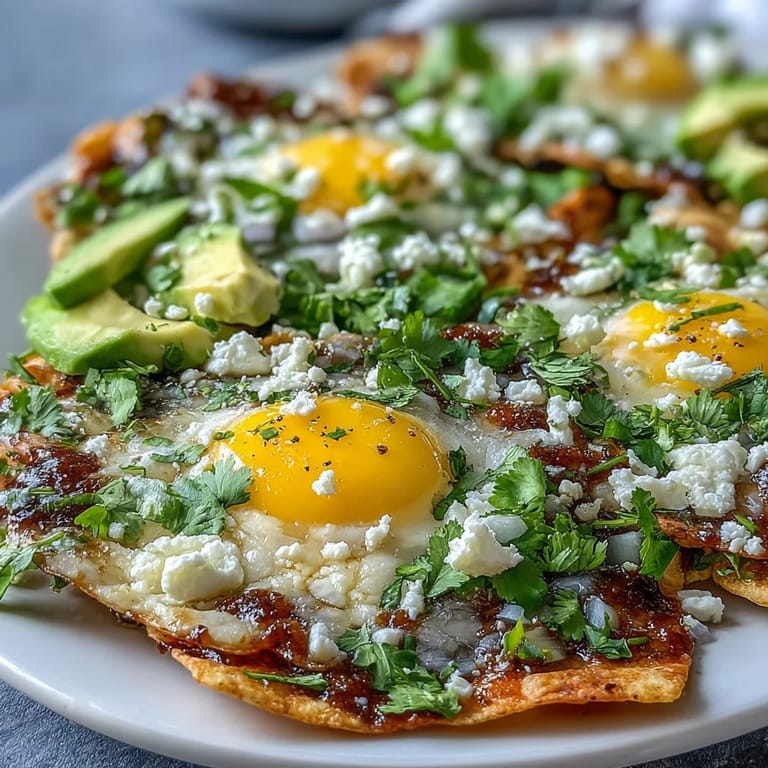
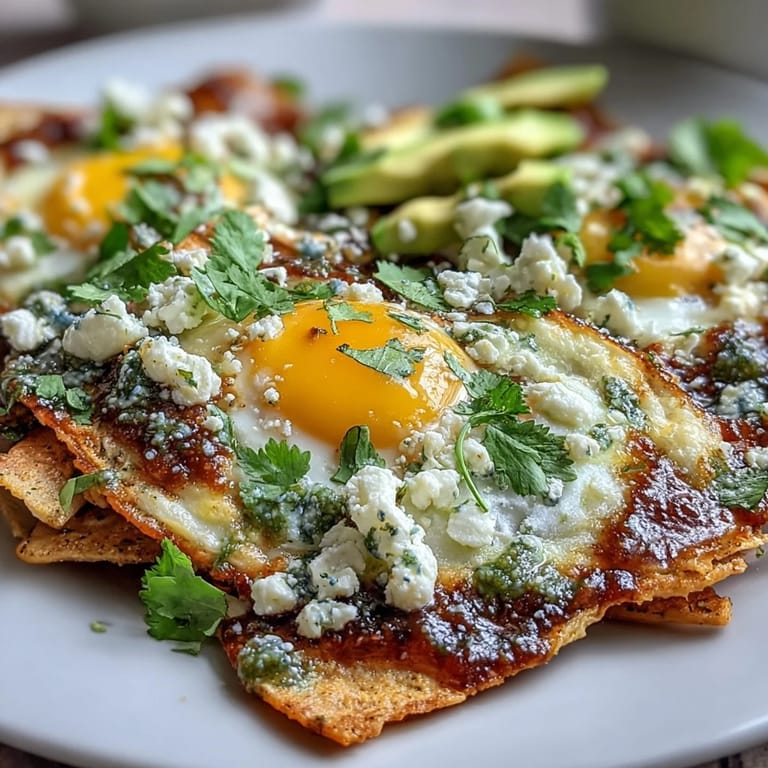
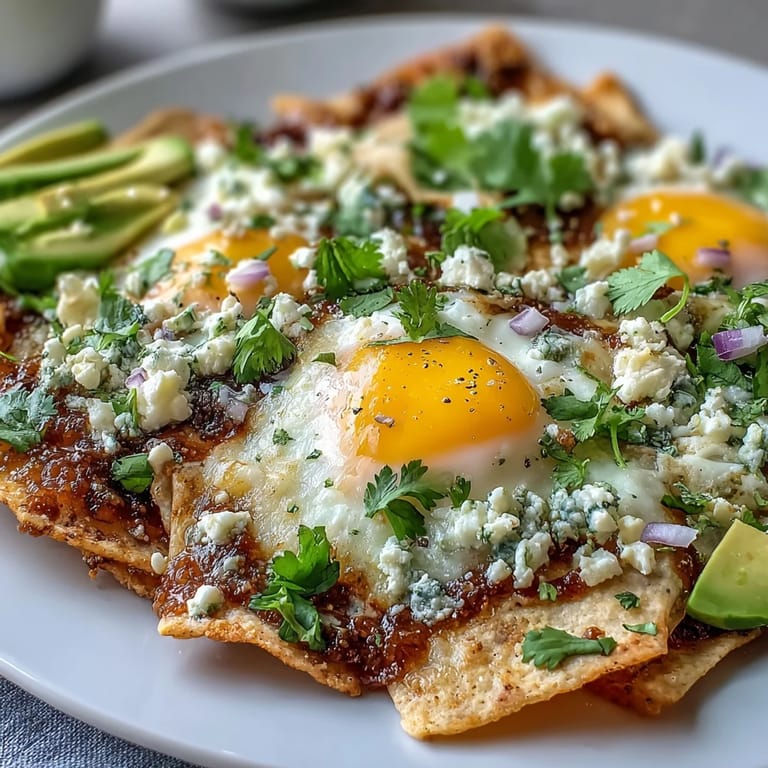
- Divide the salsa-soaked chips between two plates, place a fried egg on top of each, then scatter your crumbled cheese, red onion, cilantro, and avocado around. Finish with a drizzle of sour cream and any other toppings that call to you.
 Pin It
 There's something about standing in your kitchen with everything prepped and ready, just waiting for the oil to shimmer, that feels like you're about to do something worth doing. When that first chip hits the hot oil and pops, you already know this breakfast is going to be good.
The Texture Game Changes Everything
The whole magic of chilaquiles lives in that moment when the crispy chips kiss the warm salsa—they soften just enough to absorb flavor but not so much that they lose their crunch. I learned this by accident, leaving chips in the sauce too long and ending up with something closer to chilaquiles casserole, which isn't bad exactly, just different. Now I time it like I'm choreographing something delicate, and it makes all the difference.
Fresh Toppings Are Your Secret Weapon
The crumbled cheese, the sharp red onion, the bright cilantro—these aren't just decorations scattered on top. They're what keeps chilaquiles from feeling heavy or one-note, adding layers of texture and flavor that change with every bite. I once made it without cilantro thinking I was out, and it tasted flat even though nothing about the cooking had changed, which taught me that sometimes the smallest additions carry the most weight.
Why the Runny Yolk Matters So Much
That perfectly fried egg sitting on top is doing more than looking beautiful—it becomes your sauce, breaking and mixing into everything you eat, making each forkful richer and more luxurious than it would be otherwise. It's the difference between breakfast and an experience, honestly. The yolk should be warm enough to run but not so warm it's fully cooked, which means paying attention to your heat and timing rather than just turning the flame up and walking away.
- Medium heat and patience give you whites that are set and creamy yolks that actually flow.
- A nonstick skillet saves you from fighting with the eggs and gives you more control over doneness.
- If you're cooking for someone who doesn't like runny yolks, fry theirs a bit longer but keep that option open for yourself.
 Pin It
 Chilaquiles taught me that the best breakfasts are the ones that make you want to sit down instead of rushing out the door. That's worth 25 minutes any morning.
Recipe FAQs
- → What's the difference between chilaquiles verdes and rojos?
Chilaquiles verdes use green salsa verde made from tomatillos, while chilaquiles rojos use red salsa roja made from tomatoes and dried chiles. Both follow the same preparation method—frying tortilla chips until crispy, then simmering them in your chosen salsa until coated. The flavor profile shifts from bright and tangy (verde) to earthy and slightly sweeter (rojo). Choose based on preference or whichever salsa you have on hand.
- → How do I keep the tortilla chips from getting soggy?
The key is timing and technique. Fry tortilla triangles until thoroughly golden and crisp—undercooked chips will quickly become mushy. After tossing chips in salsa, cook only 1–2 minutes, just until coated. The chips should soften slightly but maintain crunch. Serve immediately after topping; longer sitting time means more sogginess. For meal prep, store chips and salsa separately, then combine just before eating.
- → Can I make chilaquiles with store-bought chips?
Absolutely—this creates a quick 15-minute version. Choose thick, sturdy restaurant-style tortilla chips rather than thin, airy ones. Thicker chips stand up better to salsa without disintegrating. Simply skip the frying step, heat your salsa in the skillet, and add the chips directly to warm through. While fresh-fried tortillas offer superior texture and flavor, quality store-bought chips deliver excellent results in a pinch.
- → What other proteins work well with chilaquiles?
Shredded rotisserie chicken, pulled pork, or beef make hearty additions. Simply stir warmed meat into the salsa-coated chips or layer beneath the eggs. Black beans or pinto beans add plant-based protein and creaminess—refried beans spread on the plate first create a delicious base. Chorizo, crumbled and cooked until crisp, brings spicy depth. For lighter options, top with sliced avocado or a dollop of Greek yogurt instead of sour cream.
- → How do I make vegan chilaquiles?
Replace the egg with extra protein-rich toppings like black beans, seasoned tofu scramble, or plant-based chorizo. Swap queso fresco for crumbled vegan cheese or nutritional yeast for savory umami. Use coconut-based yogurt or cashew cream instead of sour cream. The core—crispy tortilla chips in vibrant salsa—remains unchanged. Load up on fresh toppings like avocado, radishes, cilantro, and pickled jalapeños to maintain the satisfying contrast of textures and flavors.
- → What should I serve alongside chilaquiles?
Freshly squeezed orange juice provides bright acidity to cut through the rich components. Café de olla—Mexican coffee spiced with cinnamon and piloncillo—offers traditional pairing. Refried beans or charro beans on the side add substance. For a lighter touch, a simple salad of cucumber, lime, and salt balances the dish. Warm corn tortillas on the side help scoop up every last bit of salsa and egg yolk.