 Pin It
 My kitchen still smells like that Tuesday afternoon when my neighbor Maria stopped by with a bottle of Limoncello from her cousin's trip to Sicily. She watched me bake my usual lemon cake, then casually mentioned how her family always stirred the liqueur directly into the batter. That small suggestion changed everything—suddenly I had a cake that tasted like sunshine and Italian summer rolled into one.
I made this cake for my daughter's book club last spring, and what surprised me most was how quiet the room got when everyone took their first bite—not the usual polite silence, but that genuine pause people make when they're genuinely caught off guard by how good something tastes. One guest asked for the recipe before dessert was even finished, and another admitted she'd never felt so happy about lemon before that moment.
Ingredients
- Unsalted butter (1 cup, softened): Room temperature is non-negotiable here—cold butter won't cream properly and you'll miss that fluffy base that makes pound cake magical.
- Granulated sugar (2 cups): This isn't the time to cut corners with less sugar; it's what creates that tender crumb and golden exterior.
- Eggs (4 large, room temperature): Cold eggs resist blending smoothly, so pull them out about 30 minutes before you start—I learned this the hard way with lumpy batter.
- Limoncello liqueur (1/4 cup): This is your secret weapon; it adds brightness and complexity that pure lemon juice alone cannot deliver.
- Whole milk (1/4 cup, room temperature): It keeps the crumb tender without making the cake dense or heavy.
- Freshly grated lemon zest (2 tablespoons): Zest just before using so you capture those fragrant oils; pre-zested versions lose half their punch.
- Fresh lemon juice (1/4 cup): Bottled juice feels flat by comparison—squeeze your own if you want the cake to sing.
- All-purpose flour (2 1/2 cups): Measure by spooning and leveling, not scooping, or you'll end up with a dense, dry cake.
- Baking powder (1 1/2 teaspoons): This is your lift; make sure yours isn't expired or the cake will sink slightly in the middle.
- Salt (1/2 teaspoon): A small amount actually makes the lemon flavor pop more noticeably.
- Powdered sugar for the glaze (1 cup, sifted): Lumps will show in your glaze, so take the 30 seconds to sift it—your presentation will thank you.
Tired of Takeout? 🥡
Get 10 meals you can make faster than delivery arrives. Seriously.
One email. No spam. Unsubscribe anytime.
Instructions
- Get your oven and pan ready:
- Preheat to 350°F and grease that loaf or bundt pan thoroughly, then dust it with flour so nothing sticks. I like to use cooking spray first, then a light flour coating, because nothing ruins the moment faster than a piece of beautiful cake left behind in the pan.
- Cream the butter and sugar into fluffy clouds:
- Beat them together for a full 3 to 4 minutes until the mixture is pale and airy—this is where you're building the cake's foundation. You'll know it's ready when it looks almost like whipped cream and falls in ribbons from the beaters.
- Add eggs one at a time with patience:
- After each egg, wait until it's fully incorporated before adding the next one—this takes longer than it feels like it should, but rushing creates a broken, curdled mixture. Listen for the mixer to sound smooth and creamy again after each addition.
- Fold in the zest, Limoncello, lemon juice, and milk:
- Stir gently until everything is just combined; overmixing at this point will start toughening the gluten. The batter should smell intensely citrusy and slightly boozy—a good sign you're on the right track.
- Whisk together your dry ingredients separately:
- Combine the flour, baking powder, and salt in a bowl so they're evenly distributed before they meet the wet mixture. This prevents pockets of unmixed baking powder that can create strange bitter spots.
- Combine wet and dry gently and deliberately:
- Add the dry ingredients to the wet in two or three additions, mixing just until you don't see flour streaks—the batter should look smooth but not overworked. Stop as soon as everything is incorporated; extra stirring will make the cake tough.
- Pour and smooth:
- Transfer the batter to your prepared pan and use a spatula to smooth the top level. Tap the pan gently on the counter once to release any trapped air bubbles.
- Bake until the toothpick test passes:
- Slide it into the oven for 50 to 55 minutes; your kitchen will smell incredible somewhere around minute 40. Insert a toothpick into the center—it should come out clean or with just a few moist crumbs, not wet batter.
- Cool with intention:
- Let the cake rest in the pan for 15 minutes so it sets enough to release without crumbling, then turn it out onto a wire rack to cool completely. This usually takes about an hour, and patience here prevents the glaze from melting off a warm cake.
- Make the glaze while the cake cools:
- Sift the powdered sugar to break up any lumps, then whisk in the lemon juice and Limoncello until you reach a smooth, pourable consistency. It should coat the back of a spoon but still drip slightly when you lift the whisk.
- Glaze and finish:
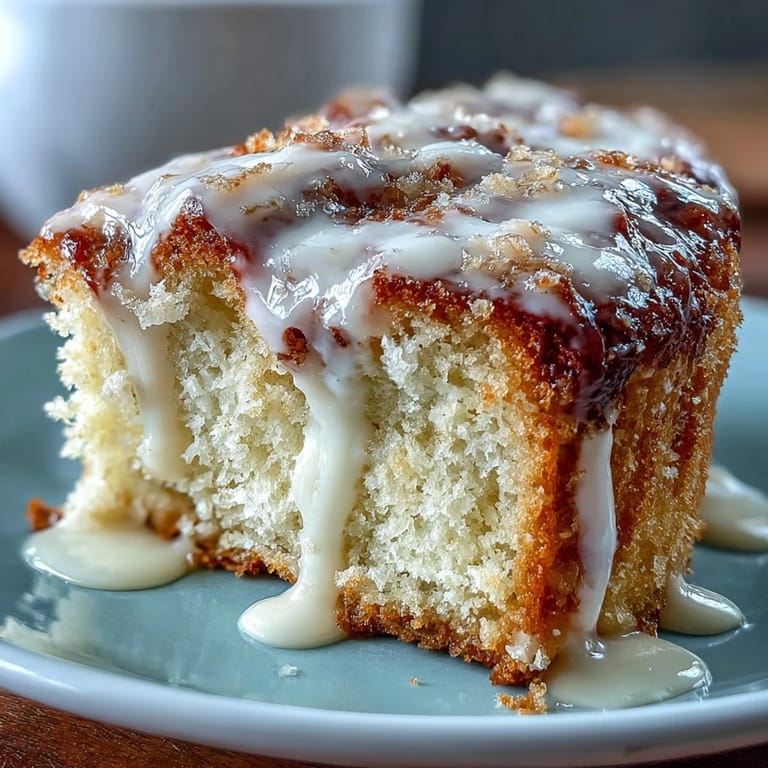
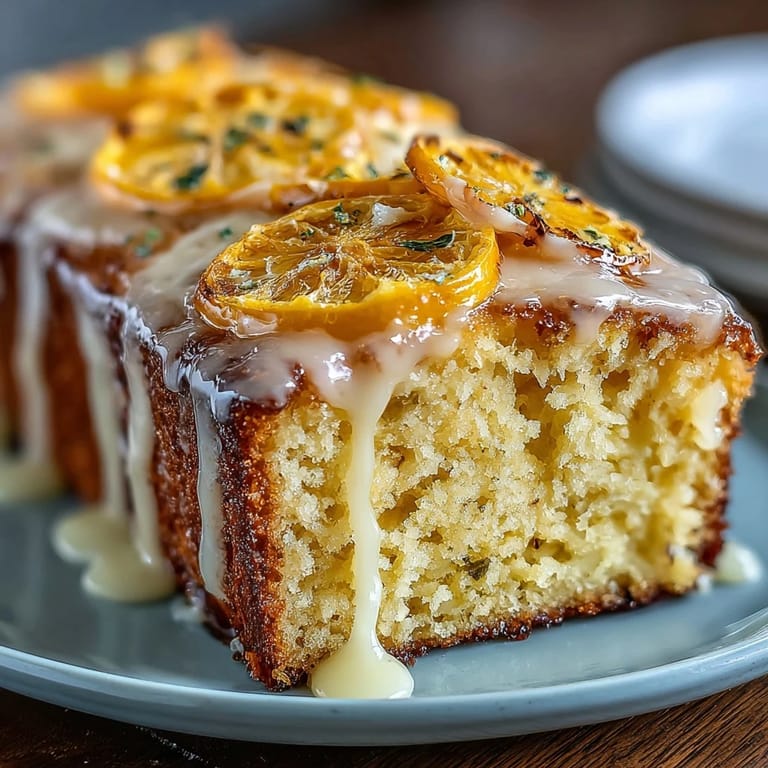
- Drizzle the glaze over the completely cooled cake in thin lines or let it cascade down the sides—it's beautiful either way. Let it set for 10 to 15 minutes before slicing so it hardens into that satisfying crunchy-smooth texture.
 Pin It
 There's something about serving a slice of this cake to someone and watching their expression shift from polite readiness to genuine surprise that never gets old. That's the moment I realized pound cake isn't just dessert—it's a small act of generosity that tastes like care.
Why Limoncello Changes Everything
The magic isn't just in the lemon flavor—it's in the way Limoncello adds a subtle warmth and complexity that straight lemon juice cannot achieve. When you bake with the liqueur, the alcohol burns off and leaves behind a rounded, almost floral citrus note that feels more sophisticated than expected. The first time I made the switch, I noticed guests commenting on the flavor without being able to name exactly what made it different, which is the highest compliment a secret ingredient can receive.
How to Troubleshoot Your Bake
If your cake sinks slightly in the middle, your oven temperature likely dropped during baking—use an oven thermometer next time to verify your oven's actual temperature, as many run cooler than the dial suggests. A dry cake usually means the baking powder was old, or you baked it slightly too long; check it at 50 minutes rather than assuming you need the full 55. If the glaze cracks or separates, your cake was still warm when you poured it, or the glaze ratio was off—next time, ensure complete cooling and add lemon juice in smaller increments until you hit the right consistency.
Serving Suggestions and Storage Wisdom
This cake reaches its flavor peak the day after baking, when all the citrus notes have mellowed and deepened into something almost mellow—so don't hesitate to bake it a day ahead. Wrapped tightly in plastic wrap at room temperature, it keeps beautifully for three to four days, and the glaze actually hardens into a satisfying shell as time passes. Serve with fresh berries on the side, a tiny dollop of whipped cream, or simply on its own with a cup of strong tea.
- A thin slice with an espresso makes for an elegant afternoon moment that feels less indulgent than it actually is.
- Leftovers can be lightly toasted the next morning for a breakfast treat that feels almost new again.
- If you have friends who don't drink alcohol, the alcohol burns off completely during baking, so this cake is safe for everyone to enjoy.
 Pin It
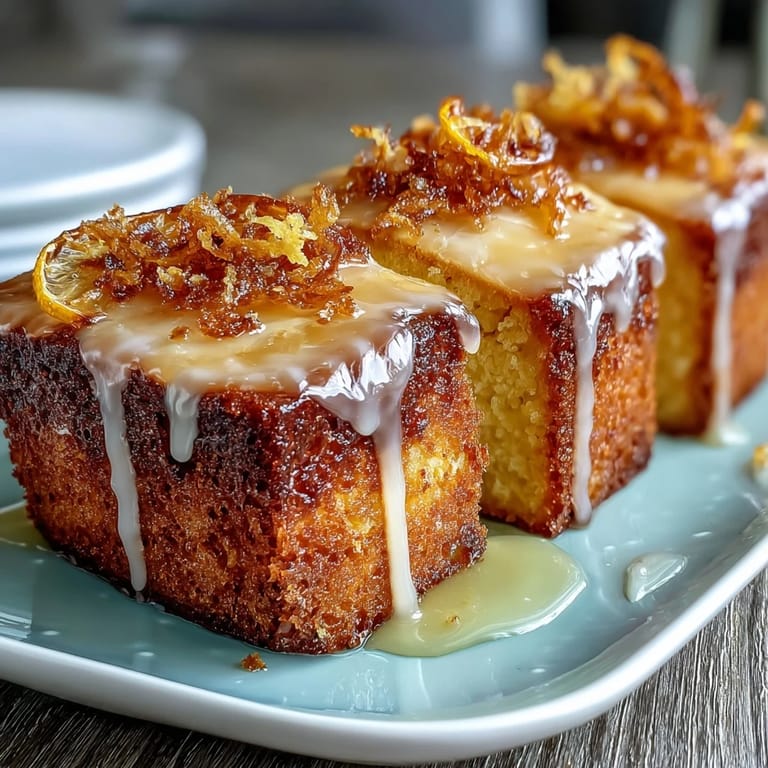
 This cake has become the dessert I reach for when I want to impress someone without fuss, because it's fancy enough to feel special but simple enough that you won't spend all day stressed in the kitchen. Once you've made it once, you'll understand why it disappears so quickly from every table it lands on.
Recipe FAQs
- → What gives this pound cake its moist texture?
The combination of softened butter, eggs, milk, and Limoncello liqueur helps create a tender and moist crumb.
- → Can I substitute the Limoncello liqueur?
Yes, you can replace Limoncello with additional fresh lemon juice for a non-alcoholic option, though the flavor will be less complex.
- → How is the lemon glaze prepared?
Whisk powdered sugar with fresh lemon juice and some Limoncello until smooth and pourable, then drizzle over cooled cake.
- → What baking pans are recommended for this cake?
A 9x5-inch loaf pan or a bundt pan works well for even baking and an appealing shape.
- → How can I enhance the cake’s texture?
Substitute half of the all-purpose flour with cake flour for a lighter, finer crumb.
- → What serving suggestions complement this cake?
Serve with fresh berries or a dollop of whipped cream to add richness and balance the citrus notes.