 Pin It
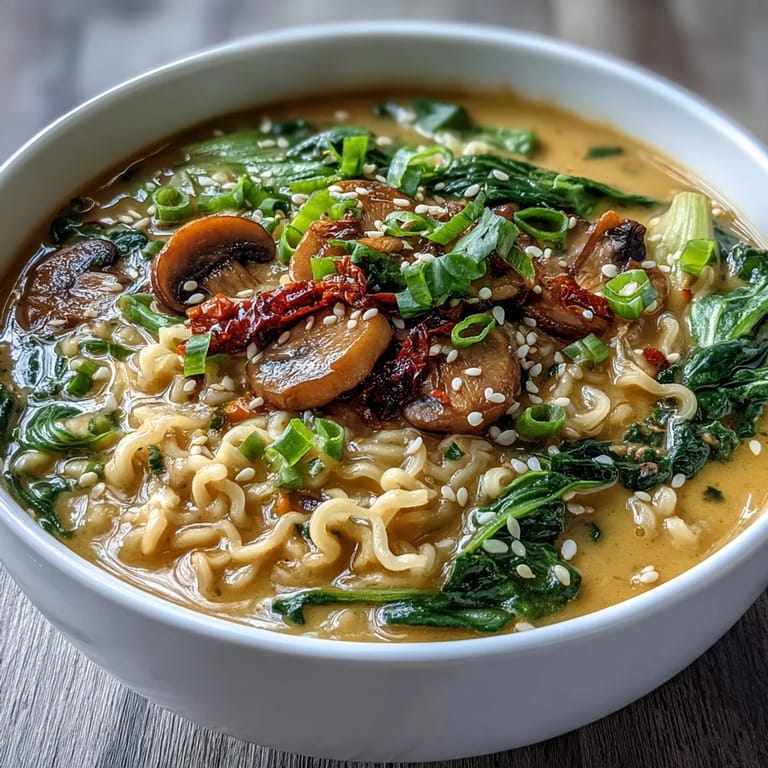
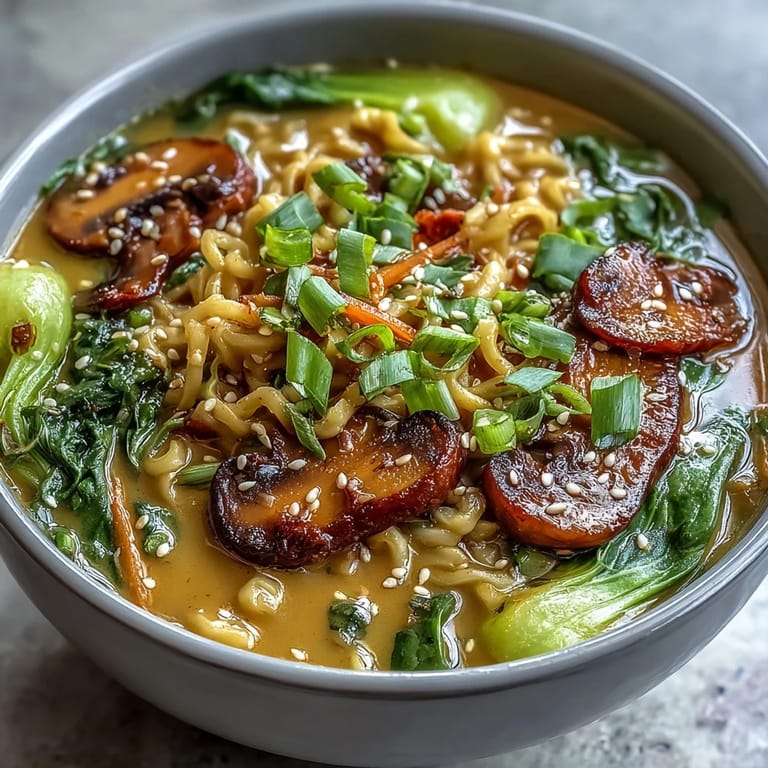
 One rainy Tuesday, I stood in my kitchen wondering how to make something warm that didn't feel heavy, and this coconut curry ramen came together almost by accident. A friend had left a can of coconut milk on my counter weeks before, and I finally understood what to do with it. The first bowl I made filled my whole apartment with this incredible fragrance of curry and ginger that made me want to sit down immediately and just breathe it in. Now it's become my go-to when I want something that feels both deeply comforting and a little adventurous.
I made this for my partner on his birthday during a snowstorm when we were snowed in together, and it became this unexpected celebration that neither of us planned for. There was something about serving this steaming, fragrant bowl while the snow piled up outside that made the whole evening feel special. We sat at the kitchen counter and he kept asking what was in it because he couldn't quite place all the flavors, and I loved that moment of mystery.
Ingredients
- Coconut oil: Start with this for sautéing because it's the gentle foundation that won't overshadow the delicate spices you're about to layer in.
- Yellow onion, garlic, and fresh ginger: This is your flavor base, and mincing everything finely helps it dissolve into the broth rather than sitting as chunks.
- Red curry paste and ground turmeric: These need a full minute of heat to wake up their deeper flavors, so don't rush this toasting step.
- Vegetable broth: Use something you'd actually drink on its own, because it becomes the entire backbone of your dish.
- Full-fat coconut milk: The richness is non-negotiable here; light versions will leave you feeling like something's missing.
- Soy sauce, maple syrup, and sesame oil: This trio creates umami depth and a subtle sweetness that balances the heat.
- Cremini or shiitake mushrooms: They'll absorb the broth and become almost meaty, which is why they're essential for the mouthfeel.
- Baby bok choy: Keep it quartered lengthwise so it stays tender but recognizable, not reduced to mush.
- Ramen noodles: Check that yours are vegan; some brands surprise you with unexpected animal products.
- Carrot, scallions, sesame seeds, chili, cilantro, and lime: These finish the bowl with brightness and let people customize their own heat level and flavor.
Tired of Takeout? 🥡
Get 10 meals you can make faster than delivery arrives. Seriously.
One email. No spam. Unsubscribe anytime.
Instructions
- Build your foundation:
- Heat the coconut oil until it shimmers, then add the onion and let it soften for a few minutes while you watch it turn translucent. This is where everything starts to smell good.
- Wake up the aromatics:
- Stir in the garlic and ginger for just a minute, breathing in that sharp, alive smell that tells you they're releasing their oils. If you cook them longer, they'll start to brown and taste harsh instead of bright.
- Toast the spices:
- Add the curry paste and turmeric and let them sit in the heat for a full minute, stirring constantly so they toast but don't burn. This is the step that transforms powders into something that tastes like actual depth.
- Create the broth:
- Pour in the vegetable broth and coconut milk together, then add the soy sauce, maple syrup, and sesame oil. Stir until everything is incorporated, then bring it to a gentle simmer where you can see small bubbles breaking the surface.
- Simmer the mushrooms:
- Add the sliced mushrooms and let them cook for 8 to 10 minutes so they soften and absorb all that aromatic liquid. They'll darken slightly and release their own umami into the broth.
- Cook the noodles separately:
- While the mushrooms are going, cook your ramen according to the package instructions in a separate pot. Drain them well so they don't dilute your broth when they go into the bowls.
- Finish with the quick-cooking vegetables:
- Stir in the bok choy and carrots and let them cook for just 2 to 3 minutes so the bok choy wilts but stays bright green and the carrots stay tender-crisp. This is the moment everything comes together.
- Taste and season:
- Taste the broth and add salt and black pepper carefully, remembering that soy sauce is already salty. You want to taste all the layers.
- Assemble the bowls:
- Divide the cooked noodles among four bowls, then ladle the hot broth and vegetables over them. The heat will warm the noodles through.
- Garnish with intention:
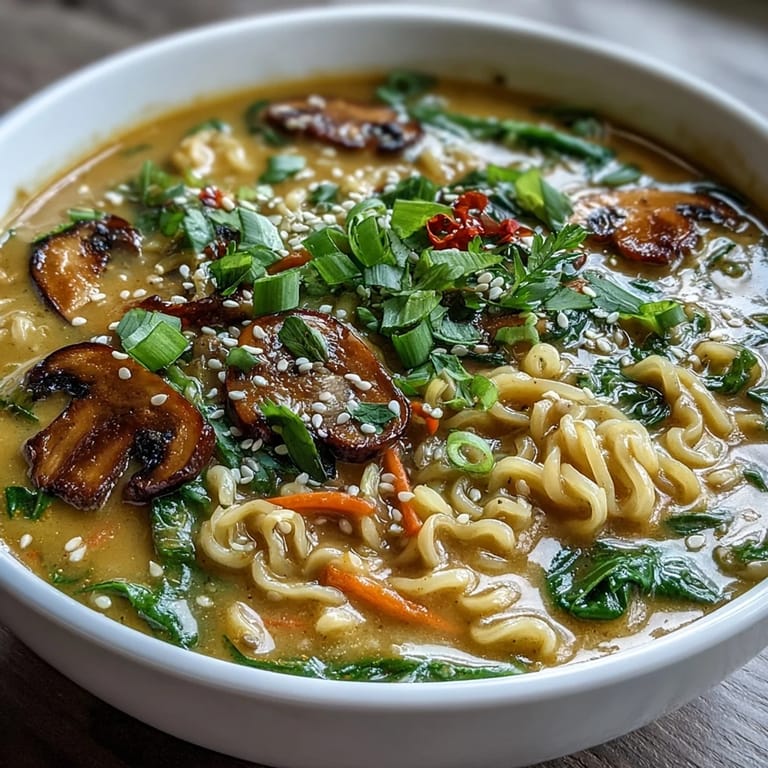
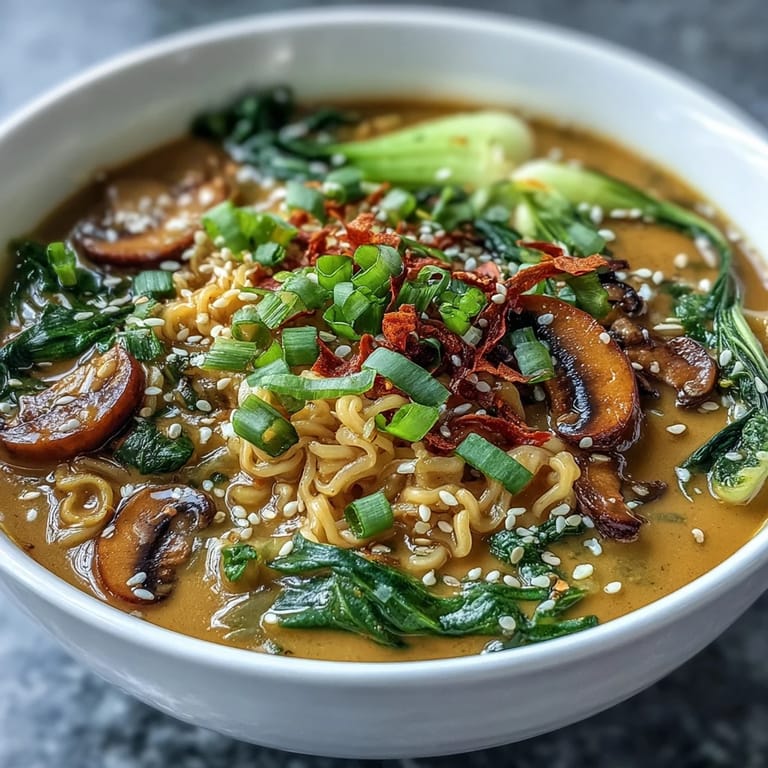
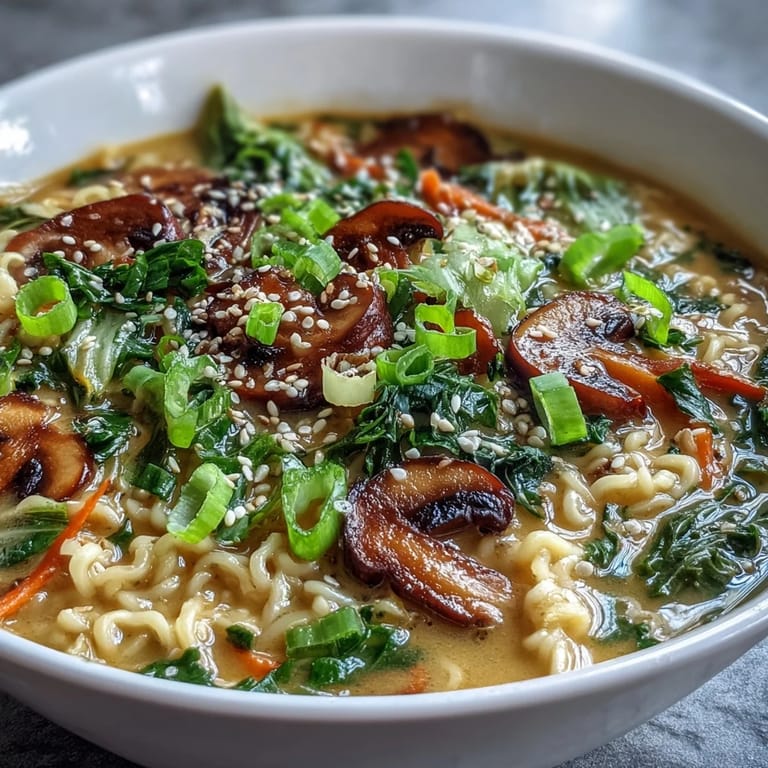
- Scatter the scallions, sesame seeds, fresh cilantro, and sliced chili over the top, then serve with lime wedges so everyone can squeeze in as much brightness as they want.
 Pin It
  Pin It
  Pin It
 There's something about serving this to someone and watching them close their eyes on the first spoonful that reminds me why I cook. This ramen stopped being just dinner and became a gesture, something I make when I want to say I'm thinking of you without having to say it out loud.
Building Layers of Flavor
The secret to making this ramen taste like it's been simmering for hours when it hasn't is understanding that you're building flavor in stages. The curry paste and turmeric need that full minute of heat to unlock their complexity, the mushrooms need time to soften and concentrate their umami, and the broth needs the coconut milk to carry all those flavors forward. I learned this the hard way by rushing through the toasting step once and ending up with something that tasted flat and spicy instead of rich and layered. Now I never skip it.
Making It Your Own
The beauty of this ramen is that it welcomes improvisation without losing its identity. You can add cubed tofu or edamame if you want more protein, substitute spinach or kale for the bok choy if that's what you have, or adjust the curry paste and chili to your own heat preference. I've made versions with lime juice instead of lime wedges, added a splash of coconut aminos instead of soy sauce, and once threw in some sliced scallions right at the beginning because I'd forgotten to save them for garnish. Each version tasted different but equally right.
The Details That Matter Most
There are small choices that shift this from a good bowl to a memorable one. The sesame oil at the end adds a toasted depth that you wouldn't expect, the maple syrup balances the heat in a way that regular sugar doesn't, and the lime wedges served on the side let everyone control how much brightness they want. These aren't complicated moves, just intentional ones.
- Always check that your ramen noodles are certified vegan, because some brands hide unexpected animal products in the ingredient list.
- Toast your sesame seeds in a dry pan for 30 seconds before garnishing if you have the time; it deepens their flavor completely.
- Make the broth up to 24 hours ahead and reheat it gently; the flavors actually deepen overnight.
 Pin It
  Pin It
  Pin It
 This ramen is the kind of dish that belongs in your regular rotation, not just for special occasions. It's proof that vegan cooking doesn't mean sacrificing depth or comfort, just approaching flavor with a little more intention.
Recipe FAQs
- → Can I make this gluten-free?
Yes, simply use tamari instead of soy sauce and verify your ramen noodles are certified gluten-free. Many brands offer wheat-free rice or buckwheat alternatives that work beautifully in this broth.
- → How can I add more protein?
Cubed firm tofu, edamame, or chickpeas make excellent additions. Pan-fry the tofu separately until golden for extra texture, then float it on top just before serving.
- → Can I substitute the coconut milk?
For a lighter version, use half coconut milk and half vegetable broth. Cashew cream or almond milk can work, though they'll alter the rich tropical flavor profile that coconut provides.
- → How spicy is this dish?
The red curry paste provides moderate warmth. Adjust the heat by varying the amount of paste or adding fresh chili slices as garnish. Start with less if you're sensitive to spice.
- → Can I prepare this in advance?
The broth actually improves after a day in the refrigerator as flavors meld. Store broth and noodles separately, then reheat gently and combine when ready to serve for best texture.
- → What vegetables work best as substitutes?
Spinach, kale, or Swiss chard replace bok choy nicely. Snow peas, bell peppers, or sliced bamboo shoots also complement the curry flavors while adding different textures.