 Pin It
 The first time I made this sauce, I was trying to sneak vegetables into dinner for someone who claimed they didn't like them. I'd been standing in the produce aisle, overwhelmed by choice, when it hit me—what if I just blended them all together? The result was so vibrant, so silky, that even the skeptic came back for seconds. Now I make this whenever I want pasta that feels both comforting and nourishing, without any of the fuss.
I remember cooking this on a rainy Sunday with my niece watching from a stool, fascinated by how rough chopped vegetables transformed into something silky. She kept asking if I was using magic, and honestly, the immersion blender felt like magic in her hands. That sauce went over pasta, and she asked for the recipe to make at home. It's become our thing now.
Ingredients
- Carrot: One medium one gives natural sweetness that balances tomato acidity without added sugar.
- Zucchini: Adds body and mild flavor that blends seamlessly without overpowering the tomato.
- Bell pepper: Red or orange varieties bring sweetness and a subtle fruity note that deepens the sauce.
- Onion: One small onion provides the savory base that makes the whole sauce feel complete.
- Garlic: Two cloves, minced fine, wake up the sauce in the last few minutes of cooking.
- Celery stalk: Often overlooked, but it adds a gentle herbaceous quality that grounds the flavors.
- Crushed tomatoes: Two cans form the backbone, so buy good ones—the difference is noticeable.
- Tomato paste: Two tablespoons concentrate the tomato flavor and add depth that fresh tomatoes alone can't match.
- Olive oil: Use what you'd eat on bread; it matters here.
- Dried oregano and basil: These Italian staples are non-negotiable, but fresh basil at the end elevates everything.
- Salt and pepper: Season as you taste, not by rote.
- Sugar: Optional, but I've learned tomatoes vary in acidity from can to can, so keeping a half teaspoon nearby is smart.
Tired of Takeout? 🥡
Get 10 meals you can make faster than delivery arrives. Seriously.
One email. No spam. Unsubscribe anytime.
Instructions
- Start with the vegetables:
- Heat olive oil in a large saucepan over medium heat and add your onion, carrot, celery, zucchini, and bell pepper all at once. Let them soften for 8 to 10 minutes, stirring now and then, until they lose their firmness and start to turn golden at the edges.
- Build the aromatics:
- Add your minced garlic and let it cook for just one minute until the kitchen smells impossibly good. This moment of fragrance tells you the garlic is releasing its magic.
- Deepen with paste:
- Stir in tomato paste and let it cook for one minute, almost caramelizing slightly against the pan. This step concentrates flavor in a way that makes people wonder what your secret is.
- Add the tomatoes:
- Pour in your crushed tomatoes along with the oregano, basil, salt, pepper, and sugar if you're using it. Stir until everything is combined and bring the whole thing to a gentle simmer.
- Let time do the work:
- Cover the pan and let it simmer for 20 to 25 minutes, stirring occasionally. The vegetables will become so tender they practically melt, and the flavors will marry into something that tastes like it simmered for hours.
- Blend into silk:
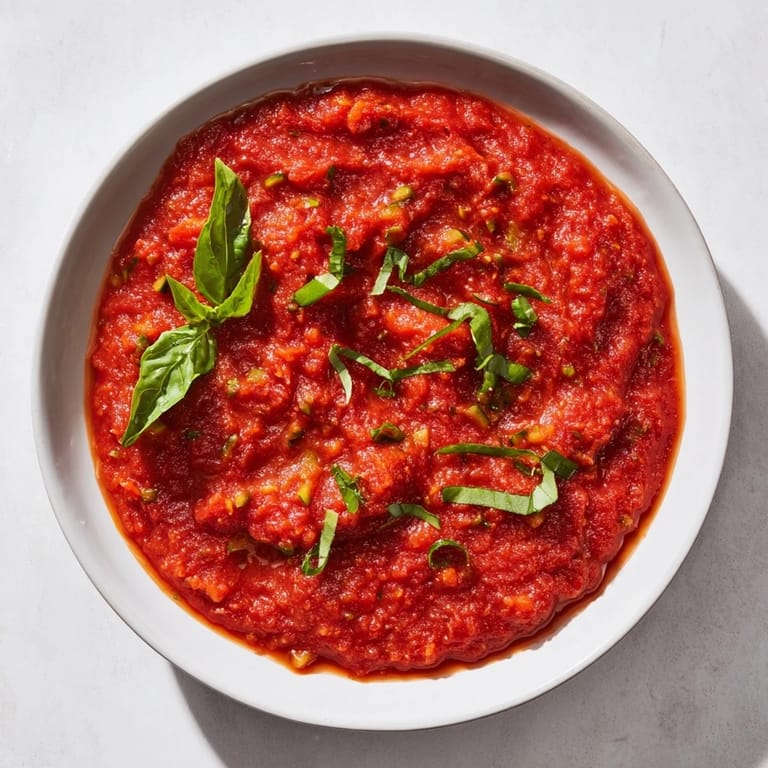
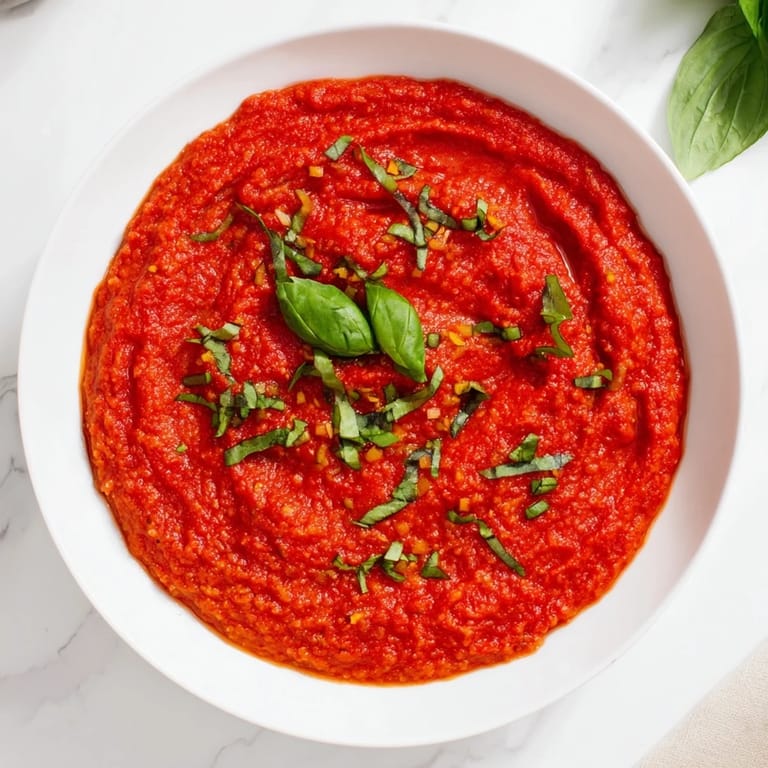
- Remove from heat and use an immersion blender to purée the sauce until it's completely smooth, or carefully transfer to a blender in batches if that's what you have. This is the moment the rough ingredients become elegant.
- Finish and taste:
- Return the sauce to low heat and simmer uncovered for 5 to 10 minutes while you adjust the seasoning. Add more salt, pepper, or a pinch of sugar depending on what your taste buds tell you.
- Serve with joy:
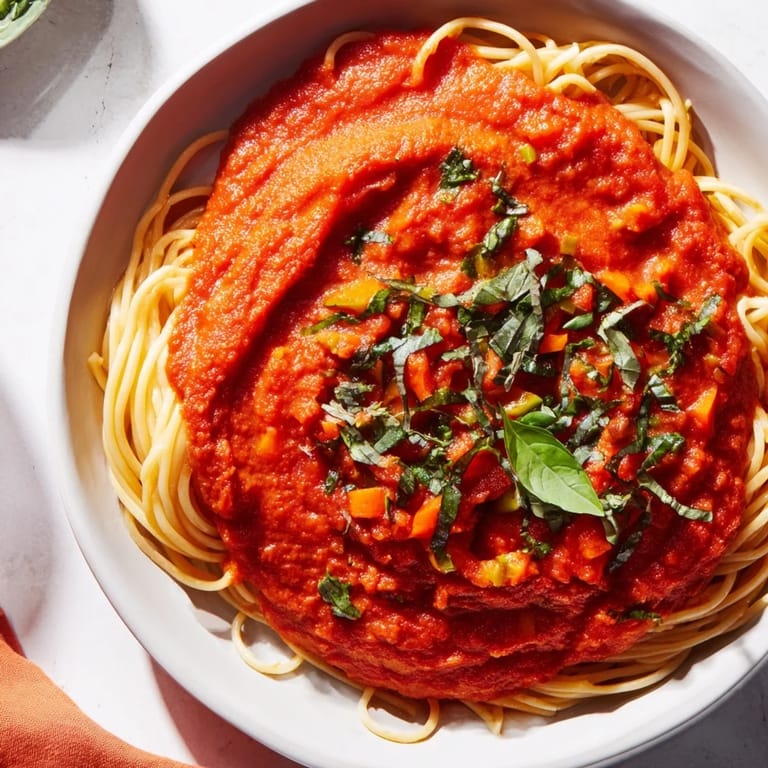
- Ladle the sauce over hot pasta and finish with torn fresh basil if you have it. Watch how it coats the noodles like velvet.
 Pin It
 There's a moment in cooking when you're stirring a pot and you catch a real person tasting something and their face just changes. That's what happens when someone who swears they don't eat vegetables has a bite of this sauce. It becomes a quiet conversation without words.
Making It Your Own
This sauce is a canvas, not a rigid blueprint. If spinach is on sale, throw a handful in with the other vegetables and watch it melt away. Broccoli florets work too, though they need another minute to soften. After blending, stir in cooked lentils or white beans if you want protein and heartiness that turns pasta into a complete meal.
Storage and Freezing
This sauce wants to live in your freezer. Let it cool completely, then portion it into containers or even ice cube trays if you like small servings. It keeps for three months and tastes just as good thawed and warmed, maybe even richer after a few weeks. There's real comfort in opening your freezer on a tired evening and finding a batch waiting.
Serving Suggestions and Kitchen Wisdom
Pair this sauce with whole wheat or gluten-free pasta for added fiber and different texture entirely. Or skip the pasta altogether and use it as a base for shakshuka, stirring in eggs and letting them poach in the heat. Pour it over roasted vegetables, blend it into soups, or spoon it alongside grilled chicken.
- Fresh basil at the end makes the difference between good and memorable—never skip it if you can help it.
- A pinch of red pepper flakes added during the last simmer gives warmth without heat if that's your style.
- If the sauce ever tastes flat, a tiny squeeze of lemon juice added at the very end brightens everything instantly.
 Pin It
 This sauce proves that sneaking goodness into food doesn't mean sacrificing flavor or tradition. It's comfort in a bowl, and it belongs on your weeknight table.
Recipe FAQs
- → Can I use fresh tomatoes instead of canned?
Yes, fresh ripe tomatoes can be used after peeling and crushing, though canned tomatoes provide consistent flavor and texture year-round.
- → How do I achieve a smooth sauce texture?
Using an immersion blender or countertop blender after cooking purées the vegetables and tomatoes into a creamy, smooth sauce.
- → What vegetables work well in this sauce?
Carrots, zucchini, bell peppers, onions, celery, and garlic blend harmoniously, adding natural sweetness and depth.
- → Can I prepare the sauce ahead of time?
Absolutely. This sauce freezes well for up to three months and reheats gently before serving.
- → How can I add more protein or fiber?
Stir in cooked lentils or white beans after blending for a heartier, more filling variation.
- → Is it suitable for vegan and nut-free diets?
Yes, this sauce contains no animal products or nuts, aligning well with vegan and nut-free preferences.